
Chandrika Kumaratunga
First female president and longest-serving president of Sri Lanka.

via Wikipedia: Chandrika Kumaratunga · see source
Chandrika Bandaranaike Kumaratunga (born 29 June 1945) is a Sri Lankan stateswoman who served as the fifth president of Sri Lanka from 1994 to 2005, the longest-serving president in the country's history. She led the Sri Lanka Freedom Party (SLFP) from 1994 to 2006. She is the younger daughter of former Prime Ministers S. W. R. D. Bandaranaike and Sirimavo Bandaranaike.
- born
- 29 June 1945, Colombo, Sri Lanka
- field
- Politics
- nationality
- Sri Lankan
- known_for
- First female president of Sri Lanka; longest-serving president; modernisation of
Verified Timeline
Lore & Background
Chandrika Bandaranaike was born on 29 June 1945 at Wentworth in Guildford Crescent, Colombo, into the prominent Bandaranaike political family. Her father, S. W. R. D. Bandaranaike, was an Oxford-educated barrister and Minister of Local Administration at the time of her birth; he founded the Sri Lanka Freedom Party in 1951 and became prime minister in 1956. He was assassinated in 1959 when Chandrika was fourteen. Her mother, Sirimavo Bandaranaike, assumed leadership of the SLFP and became the world's first female prime minister after the 1960 general election. Chandrika was educated at St Bridget's Convent, Colombo, and studied at the Institut d'Études Politiques de Paris (Sciences Po), graduating with a diploma in political science in 1970, then pursued a PhD in development economics at the École Pratique des Hautes Études from 1970 to 1973. She returned to Ceylon in 1972 and became active in the SLFP. In 1974, she became an executive committee member of its Women's League. She served as an Additional Principal Director in the Land Reforms Commission and later as chairman of the Janawasa Commission. After her mother's government was defeated in the 1977 general election, she worked as a consultant to the Food and Agriculture Organization until 1979. In 1978, she married Vijaya Kumaratunga, a leading actor and political activist. She left the SLFP in 1984 to support his new party, the Sri Lanka Mahajana Pakshaya (SLMP), serving as its vice president. On 16 February 1988, Vijaya Kumaratunga was assassinated in front of their home. Chandrika briefly took over the SLMP and formed the United Socialist Alliance, but fearing for her life, she fled to the United Kingdom in 1988, working for the World Institute for Development Economics Research at the United Nations University.
Reader's Guide
Chandrika Kumaratunga's presidency marked a significant shift in Sri Lankan politics. She modernised the SLFP and the broader Sri Lankan left under the banner of 'capitalism with a human face,' moving from inward-looking, state-controlled economic policies to a market-oriented approach while emphasising equity and social protection, contributing to improved economic performance. Her administration restored a degree of normalcy after the political violence, state repression, and widespread insecurity of the late 1980s and early 1990s, focusing on re-establishing democratic norms and reducing extra-judicial violence. She pursued peace negotiations with the Liberation Tigers of Tamil Eelam (LTTE) to resolve the civil conflict. After the collapse of peace negotiations, she launched a military campaign known as the 'War for Peace' during the Eelam III phase, one of the conflict's most intense and brutal periods. She succeeded in securing the LTTE's international isolation: many major states formally designated the LTTE a terrorist organization, cutting off key funding sources and damaging its global propaganda network. Her administration introduced a major package of constitutional reforms, the '2000 Constitution,' aimed at abolishing the executive presidency and devolving power to the Tamil people, but it was never implemented due to the withdrawal of opposition support. Her tenure faced criticism over her use of presidential powers and allegations of corruption within her administration.
Did You Know?
- Chandrika Kumaratunga is the younger daughter of two former prime ministers: S. W. R. D. Bandaranaike and Sirimavo Bandaranaike, the world's first female prime minister.
- She secured nearly 62% of the vote in the 1994 presidential election, the largest landslide victory in Sri Lankan history.
- She survived an assassination attempt during her 1999 re-election campaign and went on to win a second term.
- Her proposed '2000 Constitution' aimed to abolish the executive presidency and devolve power to the Tamil people, but was never implemented.
- She is fluent in Sinhala, English, and French, having studied at the Institut d'Études Politiques de Paris (Sciences Po).
Political Lineage and Formative Years
Chandrika Bandaranaike Kumaratunga entered the world on 29 June 1945 at Wentworth in Guildford Crescent, Colombo, into one of Sri Lanka's most prominent political families. Her father, S. W. R. D. Bandaranaike, was an Oxford-educated barrister and Minister of Local Administration at the time of her birth, a nationalist and left-wing politician who had built the Sinhala Maha Sabha movement. He was the only son of Sir Solomon Dias Bandaranike, the Maha Mudaliyar, the chief Ceylonese representative and advisor to the Governor of Ceylon. Her mother, Sirima Ratwatte Dias Bandaranaike, was the daughter of Barnes Ratwatte Dissawa, Rate Mahatmaya of Balangoda, descended from Ratwatte Dissawa, Dissawa of Matale, a signatory to the Kandyan Convention of 1815. The family moved the year after her birth to a mansion at Rosmead Place, Colombo. Her father founded the Sri Lanka Freedom Party in 1951, became Leader of the Opposition in 1952, and prime minister in 1956. He was assassinated in 1959 when Chandrika was fourteen. Her mother then assumed leadership of the SLFP and, after the 1960 general election, became the world's first female prime minister. Chandrika was the second of three children: her elder sister Sunethra became a socialite, and her younger brother Anura joined active politics, becoming a cabinet minister, Speaker of Parliament, and the youngest leader of the opposition.
The Road to the Presidency
After entering Sri Lankan politics in the 1970s with a focus on social welfare and rural development, Chandrika's trajectory was altered by the assassination of her husband, Vijaya Kumaratunga, on 16 February 1988. She spent several years in exile in the United Kingdom before returning to Sri Lanka in the late 1980s. Her political comeback was swift: in 1993 she was elected Chief Minister of the Western Province. The following year, after becoming leader of the Sri Lanka Freedom Party, she formed the People's Alliance coalition, which won the 1994 parliamentary elections. In the presidential election held later that year, she defeated UNP candidate Srima Dissanayake to become Sri Lanka's first female president, securing nearly 62 percent of the vote in what remains the largest landslide victory in Sri Lankan history. During the 1999 re-election campaign, she survived an assassination attempt and went on to win a second term, defeating UNP candidate and Leader of the Opposition Ranil Wickremesinghe, cementing her place as the longest-serving president in Sri Lankan history.
Economic Reorientation and Constitutional Ambition
One of Kumaratunga's most consequential legacies was her overhaul of the Sri Lankan left's economic philosophy. She modernized the SLFP under the banner of 'capitalism with a human face,' a deliberate departure from the inward-looking, state-controlled policies that had defined earlier SLFP administrations. Her model preserved a market-oriented economy while layering in equity and social protection, a combination that broadened the party's electoral appeal and contributed to improved economic performance. On the constitutional front, her administration tabled a sweeping package of reforms known as the '2000 Constitution,' which sought to abolish the executive presidency and devolve meaningful power to the Tamil people. The proposal, however, was never brought into force after opposition parties withdrew their support. Her tenure also drew criticism for her exercise of presidential powers and for allegations of corruption within her government.
Peace, War, and the Search for Stability
Kumaratunga inherited a nation still reeling from the political violence, state repression, and widespread insecurity that had marked the Ranasinghe Premadasa era. Her administration made a concerted effort to restore democratic norms and reduce extra-judicial killings, aiming to bring a measure of normalcy back to public life. Central to her security policy was the pursuit of peace negotiations with the Liberation Tigers of Tamil Eelam to resolve the country's protracted civil conflict. When those talks collapsed, she launched a military campaign dubbed the 'War for Peace' during the Eelam III phase, one of the conflict's most intense and brutal periods. Simultaneously, she pursued a strategy of political and financial isolation against the LTTE: under her leadership, many major states formally designated the group a terrorist organization, severing key funding channels and dealing a significant blow to its global propaganda network. This dual approach—military pressure paired with diplomatic containment—defined her wartime record.
Gallery
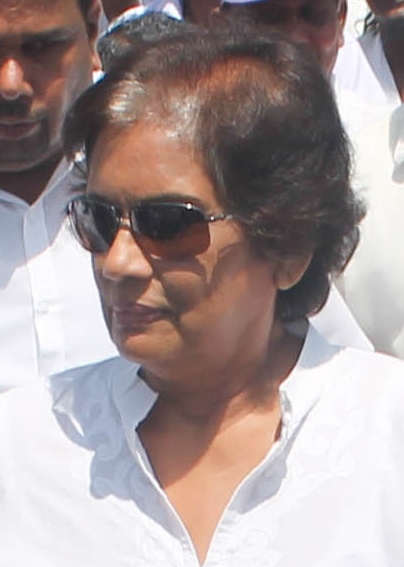
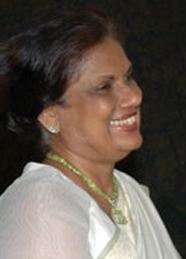
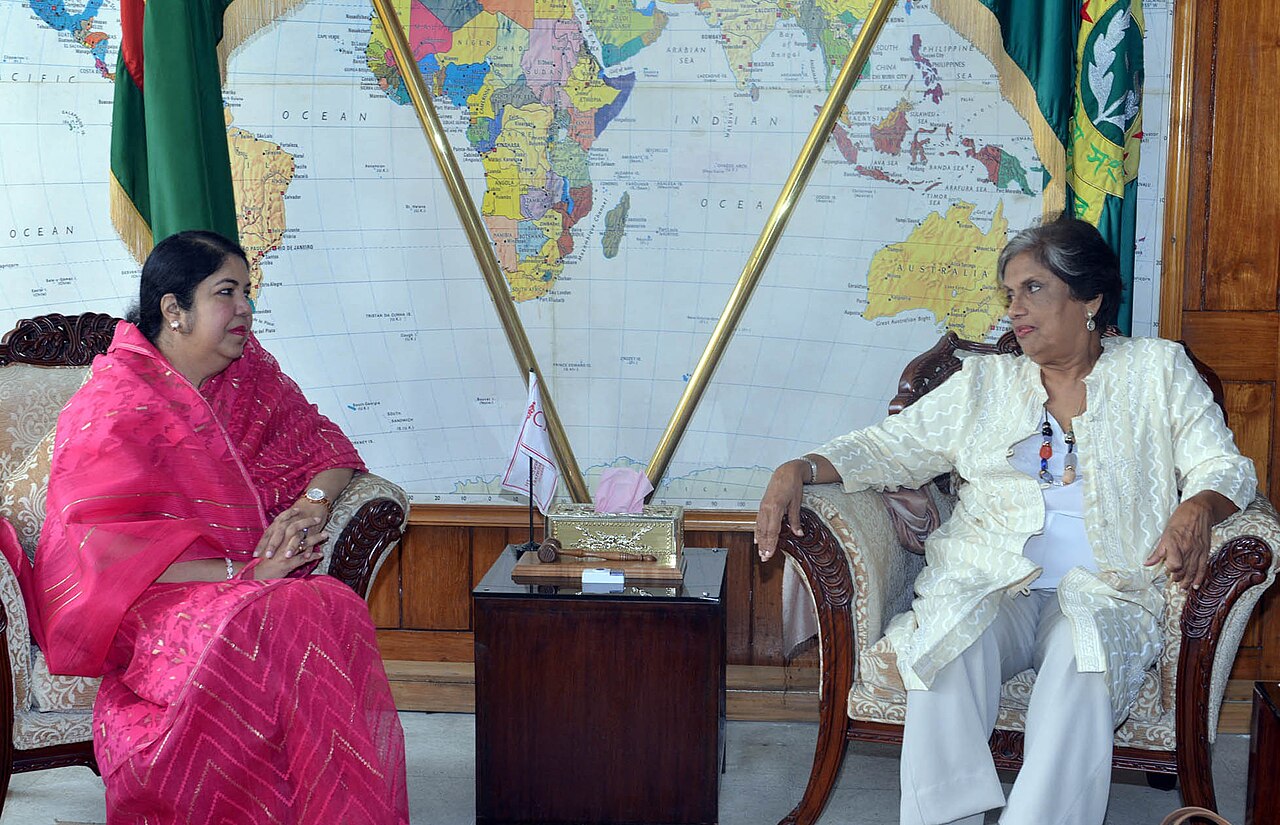
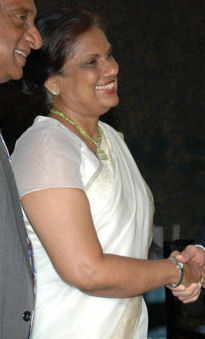
More in Asian Presidents And Prime Ministers 1-20
Spotted an error? Know more?
This is a living reference — every entry is fact-audited, and reader corrections feed straight into our audit queue. Suggest an edit · See this site's audit record