
Bảo Đại
Last emperor of Vietnam and later chief of state.

via Wikipedia: Bảo Đại · see source
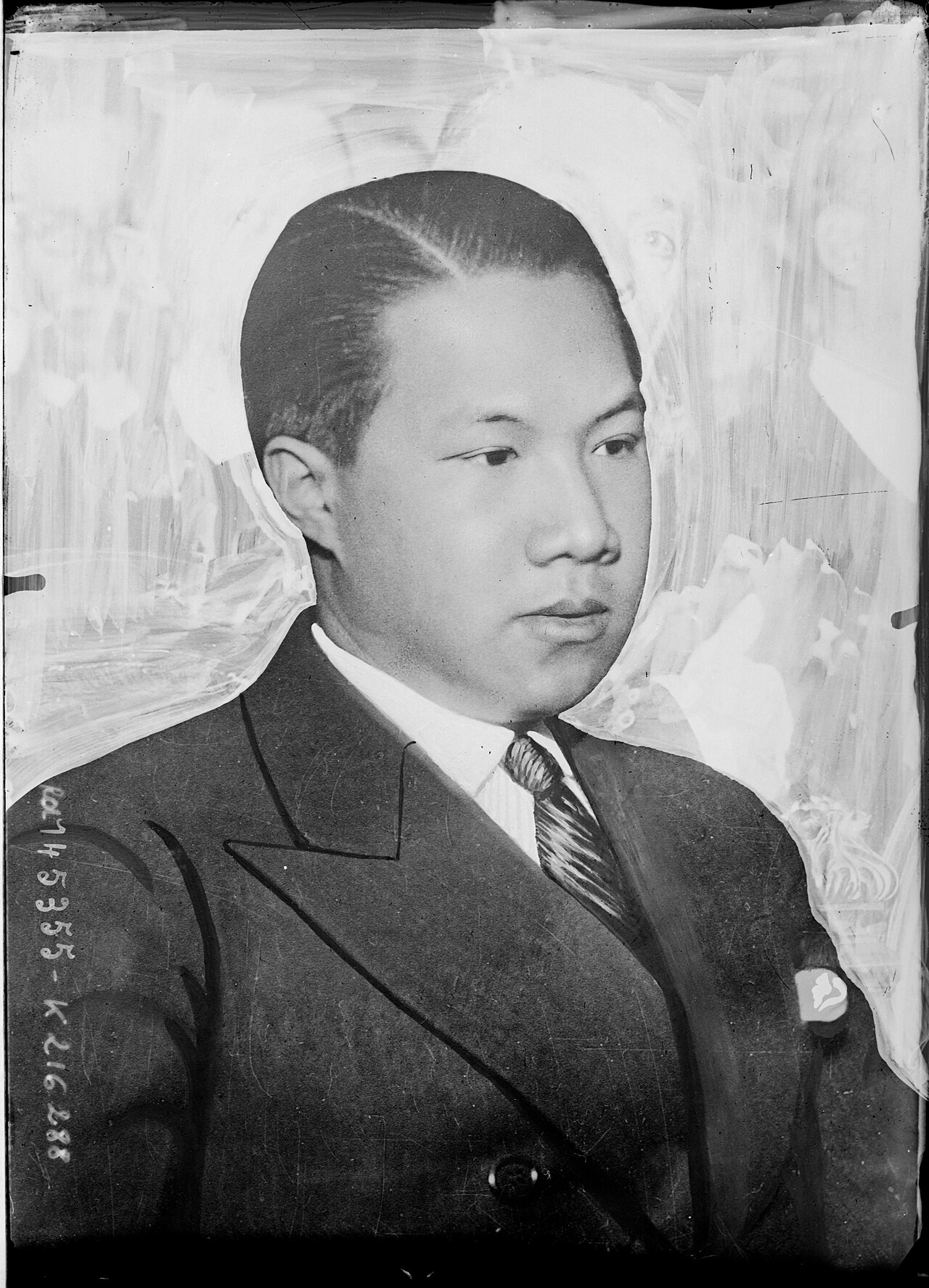
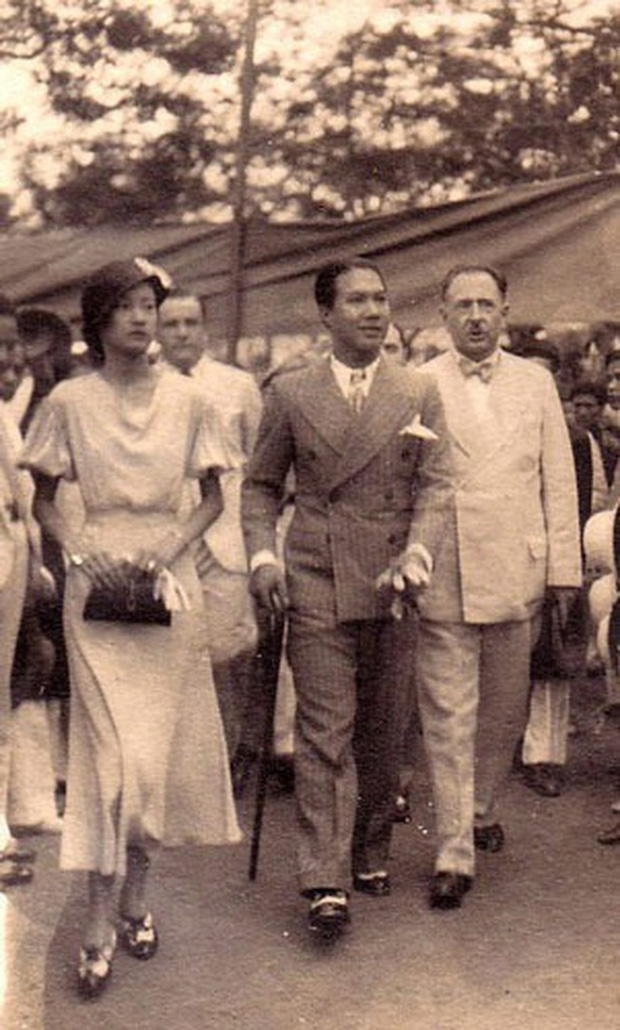
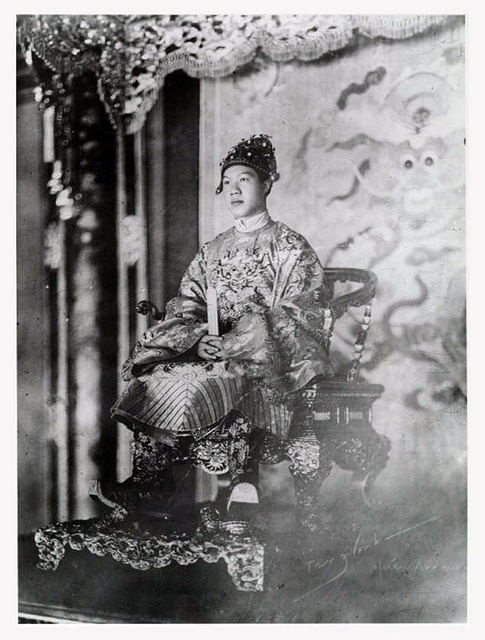
Bảo Đại, born Nguyễn Phúc Vĩnh Thụy on 22 October 1913, was the 13th and final emperor of the Nguyễn dynasty, the last ruling dynasty of Vietnam. From 1926 to 1945, he was de jure emperor of Đại Nam, which consisted of the French protectorates of Annam and Tonkin within French Indochina, covering present-day central and northern Vietnam. He ascended the throne in 1932. The Japanese ousted the Vichy French administration in March 1945 and kept Bảo Đại as emperor, under whose authority the Empire of Vietnam was proclaimed. He abdicated in August 1945 after Japan surrendered. From 1949 to 1955, Bảo Đại was the chief of state of the anti-communist State of Vietnam. He was criticized for being too closely associated with France and spending much of his time outside Vietnam, and was eventually ousted in a referendum in 1955 by Prime Minister Ngô Đình Diệm, who was later supported by the United States.
- born
- 22 October 1913
- died
- 31 July 1997
- nationality
- Vietnamese
- known_for
- Last emperor of the Nguyễn dynasty; chief of state of the State of Vietnam
Verified Timeline
Lore & Background
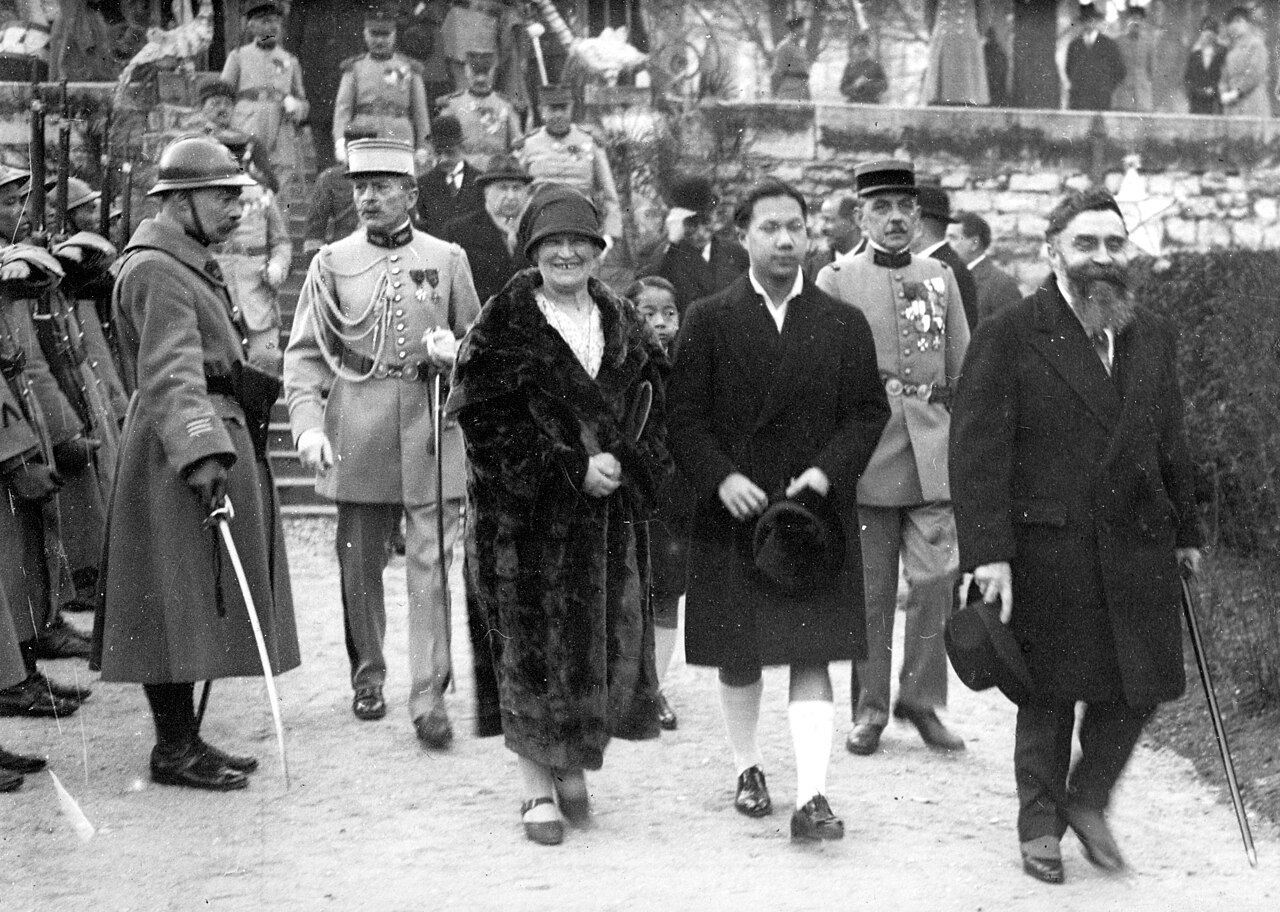
Bảo Đại was born as Nguyễn Phúc Vĩnh Thụy on 22 October 1913, the only child of Emperor Khải Định and his concubine Hoàng Thị Cúc. Historical records note uncertainty about his background, as Khải Định was said to prefer being homosexual and disliked getting close to women. At age nine, on 28 April 1922, he was investitured as Crown Prince of East Palace. On 15 June 1922, he and his father led the delegation to France to participate in a colonial exhibition in Marseille. In June 1922, Prince Vĩnh Thụy was adopted by former governor Jean François Eugène Charles and his wife, who sent him to study at Lycée Condorcet. He returned to Vietnam in February 1924 for his father's 40th birthday, then returned to France to study at Hattemer School in November. After his father died on 6 November 1925, he returned for the funeral. On 8 January 1926, at 12 years old, he took the enthronement ceremony and became the 13th emperor, taking the era name Bảo Đại. He returned to France in March 1926 to continue his studies, with Tôn Thất Hân as regent. In 1930, he started at Sciences Po in Paris, living on Rue 13 Lamballe Street. He developed interests in tennis, golf, and skiing, and was described as a playboy and car enthusiast, owning many types of cars at age 16. French colonial officials noted his lack of enthusiasm for returning to Vietnam. In September 1932, he began his return journey on the ship 'Président Doumer'. An assassination plot by the French Communist Party was discovered in Penang, and he arrived under warship escort. He later wrote in his memoirs: 'After many years of living in freedom, I felt as if I am now entering a prison...'
Reader's Guide
Bảo Đại's significance lies in his role as the last sovereign of Vietnam's imperial era and a transitional figure during the country's struggle for independence. As emperor under French protectorate, he had limited real power, and his Western education and lifestyle distanced him from traditional court expectations. On 10 September 1932, he began reforms, abolishing customs such as kowtowing and allowing subjects to look directly at the emperor. He banned excessively long fingernails and long beards by elderly mandarins. His reign saw the Japanese oust the Vichy French in March 1945, leading to the short-lived Empire of Vietnam, which he abdicated in August 1945 after Japan's surrender. Later, from 1949 to 1955, he served as chief of state of the anti-communist State of Vietnam, but was criticized for close ties to France and frequent absences. He was ousted in a 1955 referendum by Prime Minister Ngô Đình Diệm, who was later supported by the United States. Bảo Đại's legacy is complex: he is remembered as a monarch who failed to assert Vietnamese sovereignty against colonial powers, yet his abdication and later political role reflect the turbulent transition from monarchy to modern statehood.
Did You Know?
- Bảo Đại was the first Vietnamese monarch to receive a full Western education, studying at Lycée Condorcet, Hattemer School, and Sciences Po in Paris.
- At age 16, he owned many types of cars and was considered a good and fast driver on the streets of Paris and highways from Cannes to Deauville.
- An assassination plot by the French Communist Party was discovered during his return voyage to Vietnam in 1932, requiring warship escort.
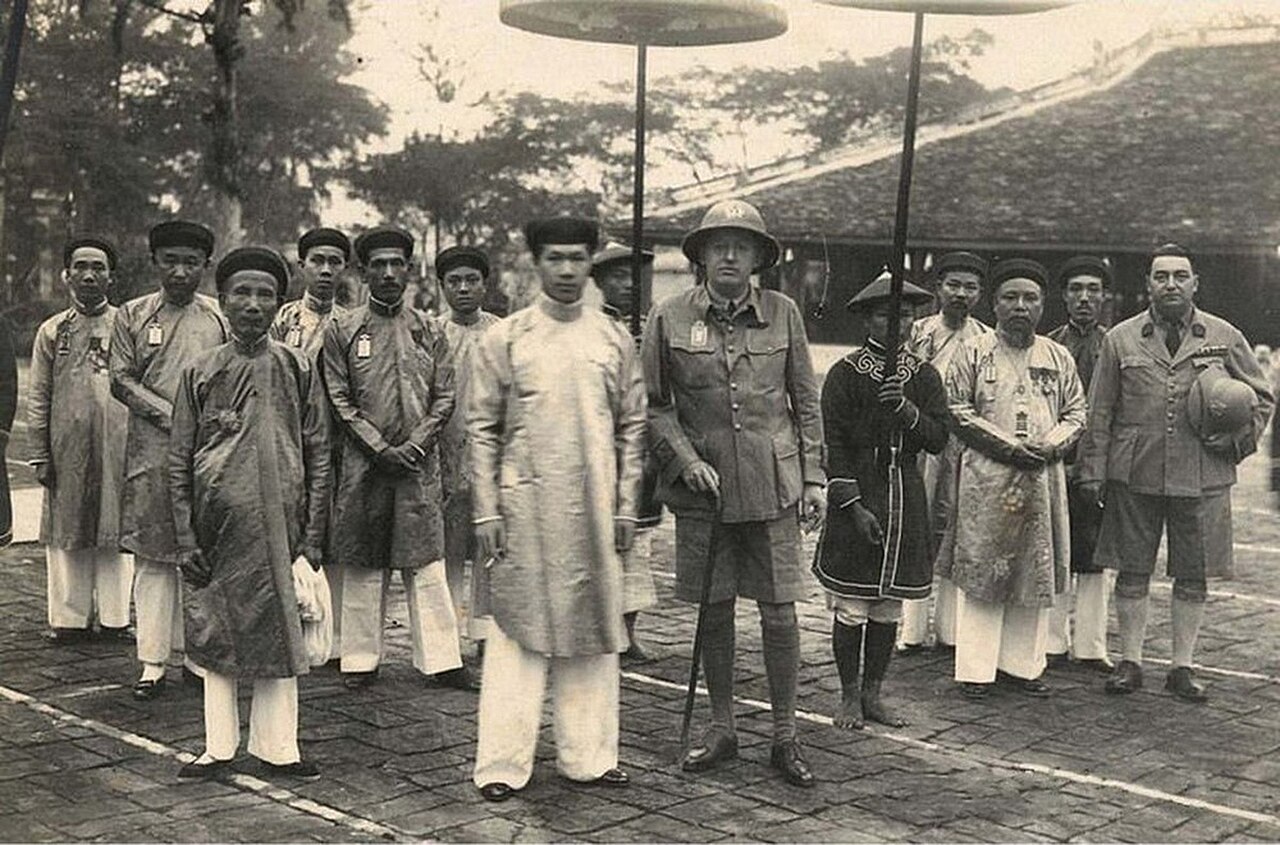
- During his first court audience after returning to rule in September 1932, he spoke in French, shocking both young nationalistic officials and older Confucianist mandarins.
- He abolished the custom of kowtowing and allowed subjects to look directly at the emperor, which had previously been considered lese-majesté.
A Child on the Throne
Bảo Đại entered the world on 22 October 1913 as Nguyễn Phúc Vĩnh Thụy, the sole offspring of Emperor Khải Định and his concubine Hoàng Thị Cúc. His childhood name was Mệ Vững, and from birth he carried the weight of a dynasty that had governed Vietnam since 1802, even though the French had carved the country into protectorates and a colony by 1883. At just nine years old, on 28 April 1922, he was formally investitured as Crown Prince of the East Palace. On 15 June 1922, he and his father led the delegation to France to participate in a colonial exhibition in Marseille. After his father died on 6 November 1925, he returned for the funeral. On 8 January 1926, the twelve-year-old boy underwent the enthronement ceremony, taking the era name Bảo Đại—literally 'keeper of greatness.' He did not exercise direct power; a regent, Tôn Thất Hân, governed in his stead while the young emperor returned to France in March 1926 to finish his schooling. The imperial court in Huế and its mandarins grew increasingly impatient with his prolonged absence, pressing the French colonial administration to urge him home. Questions about his parentage and his father's reported disinterest in women have lingered in historical records, adding a layer of uncertainty to the very foundation of his legitimacy.
The Parisian Prince
Once in France, young Vĩnh Thụy was placed under the guardianship of Jean François Eugène Charles, a former governor of Annam, who treated the boy almost as a son. He attended the Lycée Condorcet and later the Hattemer School, making him the first Vietnamese monarch to receive a full Western education. By 1930 he was enrolled at Sciences Po in Paris, living on Rue 13 Lamballe Street, and his days filled with tennis, golf, and skiing—activities that would have been unthinkable for a member of the traditional imperial family. He collected high-performance automobiles and was known as a confident, fast driver on the roads between Cannes and Deauville. The French colonial secretary Eugène Chatel noted his apparent reluctance to return to Vietnam, and the Hue court grew frustrated. A Confucian scholar sent to teach him classical Chinese and Vietnamese court etiquette was barred by French teachers from doing so. Bảo Đại himself later admitted he knew almost nothing about his own dynasty's history. The contrast between his Parisian ease and the conservative expectations of the Vietnamese throne defined much of his early reign.
The 1945 Crucible
In March 1945, the Japanese military overthrew the Vichy French administration across Indochina, a dramatic rupture that reshaped the political landscape in which Bảo Đại had nominally reigned since 1932. Rather than removing the emperor, the Japanese kept him in place and, under his authority, proclaimed the Empire of Vietnam—a brief political entity that endured for only a handful of months. The nominal emperor of Đại Nam, whose territory had encompassed the French protectorates of Annam and Tonkin covering present-day central and northern Vietnam, found himself at the center of a power struggle he did not engineer. When Japan surrendered in August 1945, the political structure collapsed almost overnight. Bảo Đại abdicated, stepping down from a throne that had been, in practice, a symbolic office overshadowed by colonial and then occupying powers.
Chief of State and the 1955 Referendum
After the upheavals of 1945, Bảo Đại re-emerged in a new political role: from 1949 to 1955 he served as chief of state of the anti-communist State of Vietnam. The position carried the trappings of sovereignty but operated within a framework still heavily shaped by French interests, a reality that drew persistent criticism from Vietnamese nationalists who saw him as too closely tied to the former colonial power. His habit of spending considerable time outside the country further eroded his standing among those who expected a leader to be physically present and engaged in the daily governance of a nation still defining itself. The decisive blow came in 1955, when Prime Minister Ngô Đình Diệm, who had the backing of the United States, organized a referendum that effectively removed Bảo Đại from power. The vote ended his political career and, with it, any remaining institutional connection to the Nguyễn dynasty. Bảo Đại, who had first taken the throne at twelve in 1926, was thus displaced not by revolution or war but by a political maneuver within the very state he had been asked to lead.
Gallery
More in Asian Presidents And Prime Ministers 1-20
Spotted an error? Know more?
This is a living reference — every entry is fact-audited, and reader corrections feed straight into our audit queue. Suggest an edit · See this site's audit record