
Bo Xilai
Chinese former politician convicted on bribery and embezzlement charges.

via Wikipedia: Bo Xilai · see source
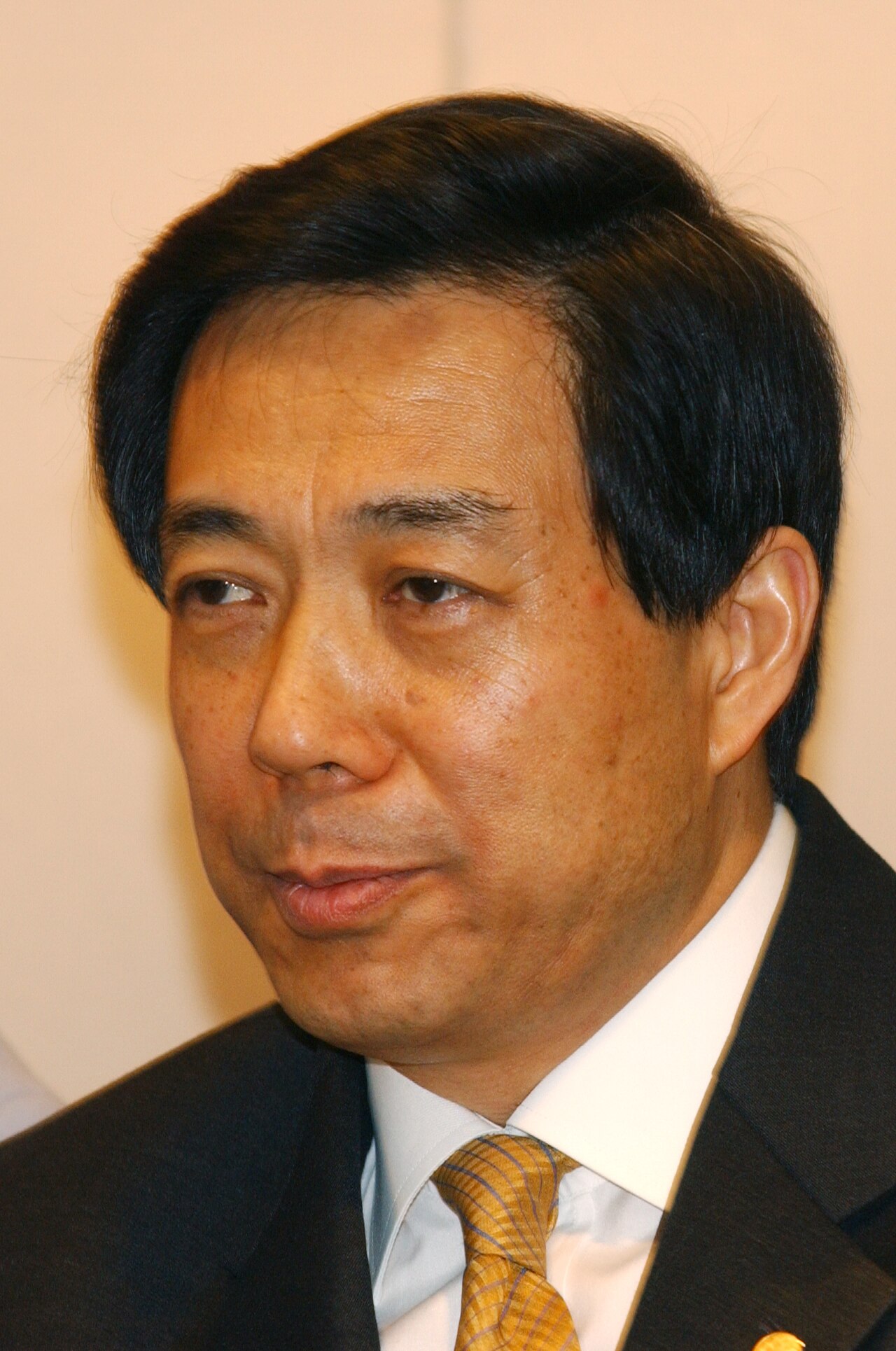
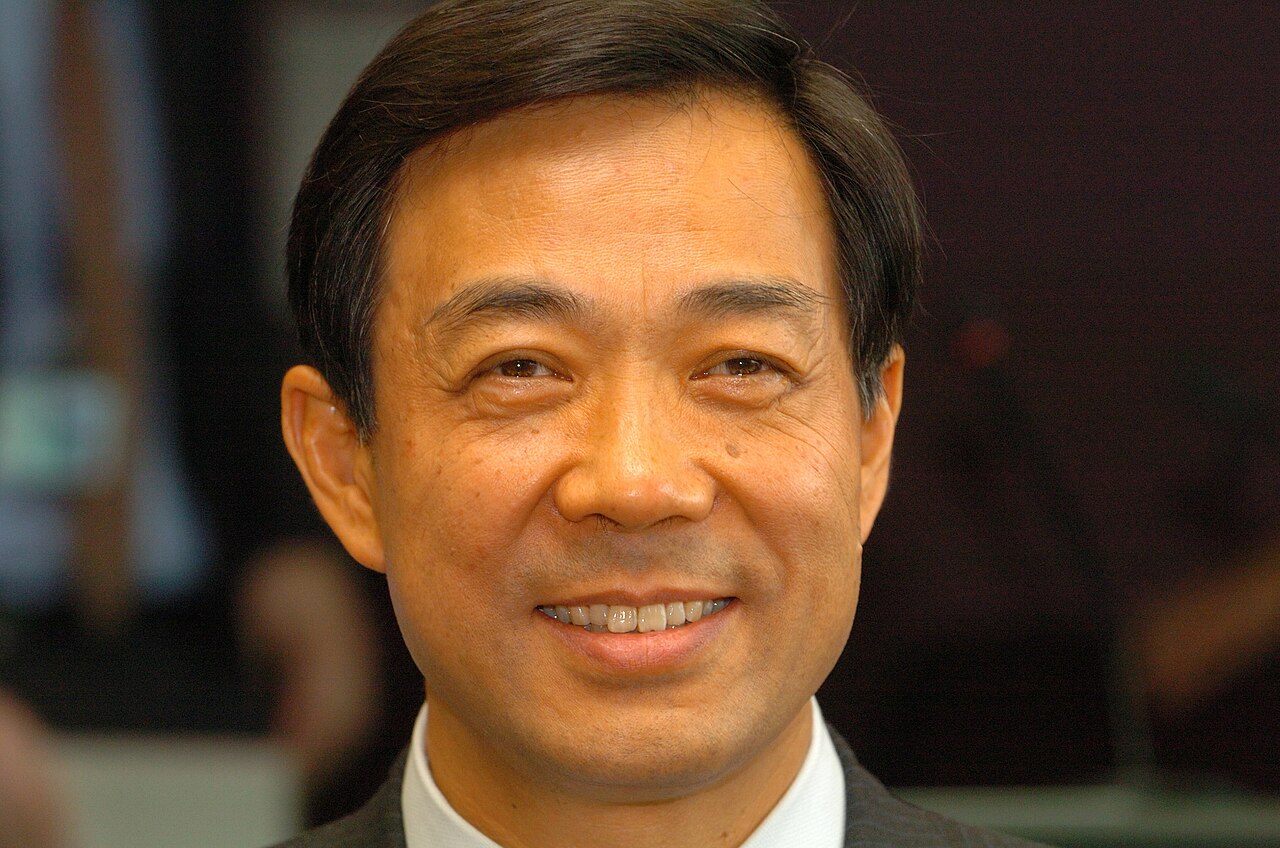
Bo Xilai (born 3 July 1949) is a Chinese former politician who was convicted on bribery and embezzlement charges. He came to prominence through his tenures as Mayor of Dalian and then Governor of Liaoning. From 2004 to 2007, he served as Minister of Commerce. Between 2007 and 2012, he served as a member of the Politburo of the Chinese Communist Party (CCP) and Party Secretary of Chongqing. The son of former Chinese Vice Premier Bo Yibo, he was regarded as a princeling but cultivated a casual and charismatic public image. In Chongqing, Bo increased spending on welfare programs and maintained consistent double-digit GDP growth, while launching a crackdown on organized crime and promoting Cultural Revolution–style 'red culture.' His 'Chongqing model' gained popularity among the Chinese New Left. However, his lawless campaigns, rising personality cult, and the dissonance between his family life and egalitarian rhetoric made him a controversial figure. Bo was considered a likely candidate for promotion to the CCP Politburo Standing Committee at the 18th Party Congress in 2012 and a rival to Vice President Xi Jinping. However, his political fortunes came to an abrupt end following the Wang Lijun incident, in which his top lieutenant and police chief sought asylum at the American consulate in Chengdu. Wang claimed to have information about the involvement of Bo's wife Gu Kailai in the murder of British businessman Neil Heywood. In the fallout, Bo was stripped of his positions and expelled from the party. In 2013, Bo was found guilty of corruption, stripped of all his assets and sentenced to life imprisonment at Qincheng Prison.
- born
- 3 July 1949
- nationality
- Chinese
- known_for
- Chongqing model, crackdown on organized crime, corruption conviction
Verified Timeline
Lore & Background
Bo Xilai was born on 3 July 1949 to Communist revolutionary Bo Yibo and Hu Ming. During the Cultural Revolution, which began in 1966, Bo Xilai, then seventeen, attended Beijing No. 4 High School and is reported to have been an active member of the liandong Red Guard organization, possibly denouncing his father. He was later locked up for five years. After his release, he worked at the Hardware Repair Factory for the Beijing Second Light Industry Bureau. He was admitted to Peking University when the gaokao was reinstated in 1977, majoring in world history. In his second year, he was admitted to a master's program in international journalism at the Chinese Academy of Social Sciences, allegedly through backdoor channels despite not meeting required exam scores, graduating in 1982. He joined the Communist Party in October 1980. After graduate school, Bo was assigned to Zhongnanhai, working with the research office of the CCP Central Committee Secretariat and General Office. In the early 1980s, he requested a transfer away from Beijing, a move masterminded by his father. In 1984, Bo was appointed deputy party secretary of Jin County, now Jinzhou District of Dalian. He rose to become mayor of Dalian in 1993, serving until 2000, and CCP Committee Secretary from 1999 to 2000. His tenure transformed Dalian from a drab port city to a modern metropolis, winning the UN Habitat Scroll of Honour Award in 1999. He later served as Governor of Liaoning and Minister of Commerce from 2004 to 2007. From 2007 to 2012, he was Party Secretary of Chongqing, where he increased welfare spending, maintained double-digit GDP growth, and launched a crackdown on organized crime while promoting 'red culture.' His 'Chongqing model' gained popularity among the Chinese New Left. Bo was considered a likely candidate for the Politburo Standing Committee and a rival to Xi Jinping. His political fortunes ended after the Wang Lijun incident, in which his police chief sought asylum at the American consulate in Chengdu, claiming information about the murder of British businessman Neil Heywood by Bo's wife Gu Kailai. Bo was stripped of his positions, expelled from the party, and in 2013 found guilty of corruption, sentenced to life imprisonment at Qincheng Prison.
Reader's Guide
Bo Xilai's significance lies in his rapid rise and dramatic fall within the Chinese Communist Party. His 'Chongqing model'—combining welfare spending, double-digit GDP growth, and a crackdown on crime with Cultural Revolution-style 'red culture'—appealed to leftist critics of China's opening up policy but also raised concerns about personality cults and lawlessness. His conviction highlighted the party's willingness to discipline high-ranking officials, even princelings, and removed a potential rival to Xi Jinping. The case also exposed the intersection of family influence, political rivalry, and criminal activity, as seen in the murder of Neil Heywood and the defection of Wang Lijun. Bo's legacy remains controversial, illustrating the tensions between charismatic local leadership and central party control.
Did You Know?
- Bo Xilai was born on 3 July 1949, the son of former Chinese Vice Premier Bo Yibo.
- During the Cultural Revolution, Bo Xilai was an active member of the liandong Red Guard organization and may have denounced his father.
- Bo Xilai's mother, Hu Ming, was abducted by Red Guards in Guangzhou and was either beaten to death or committed suicide.
- As of 2012, reports estimated the Bo family's total assets were worth between $136 million and $160 million.
- Bo Xilai was sentenced to life imprisonment at Qincheng Prison in 2013 after being found guilty of corruption.
The Weight of the Bo Name
Bo Xilai was born into a family whose surname carried enormous weight in Communist China. His father, Bo Yibo, was one of the Eight Great Eminent Officials, who served as Minister of Finance in the early years of the PRC but fell from favor in 1965 for supporting more open trade relations with the West. When the Cultural Revolution began in 1966, Bo Yibo, labeled a 'rightist' and 'counterrevolutionary,' was purged from his posts and spent twelve years in prison. Bo Xilai's mother, Hu Ming, was abducted by Red Guards in Guangzhou, and was either beaten to death or committed suicide. The seventeen-year-old Bo reportedly joined the liandong Red Guard organization and may have denounced his father. After Mao's death in 1976, Bo Yibo was politically rehabilitated and became vice premier in 1979. The family's 1980s resurgence gave the younger Bo a network and a name that opened doors no ordinary cadre could reach, while simultaneously marking him as a princeling in the eyes of allies and rivals alike.
The Chongqing Experiment
When Bo Xilai assumed leadership of Chongqing in 2007, he pursued a governing style that deliberately departed from the technocratic norms of Chinese politics. He expanded public spending on welfare programs, sustained double-digit GDP growth, and launched a high-profile campaign against organized crime. Equally distinctive was his promotion of what he called 'red culture,' an aesthetic and political program echoing the iconography of the Cultural Revolution era. This blend of populist economics and Maoist nostalgia struck a chord with the Chinese New Left, a loose coalition of Maoists and social democrats who had grown disillusioned with market liberalization and widening inequality. Yet the very qualities that made him popular also made him a liability in the eyes of the party establishment. His anti-crime drives were widely criticized as lawless, his personal following took on the hallmarks of a personality cult, and the gap between his egalitarian rhetoric and the reported wealth of his family—estimated at between $136 million and $160 million—undermined his moral authority. By 2012 he was regarded as a serious rival to Xi Jinping for a seat on the Politburo Standing Committee, but the contradictions in his record had already begun to erode his standing.
The Wang Lijun Incident and Political Collapse
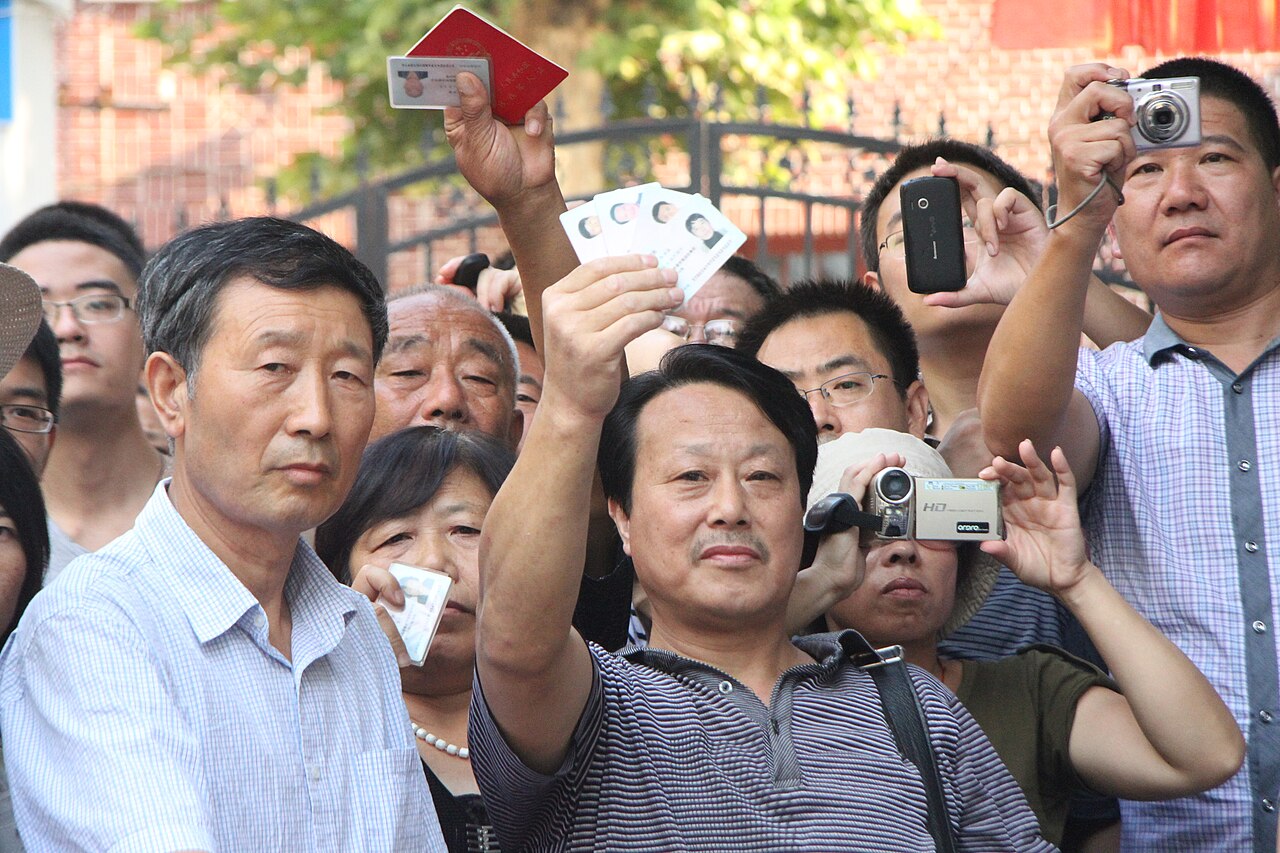
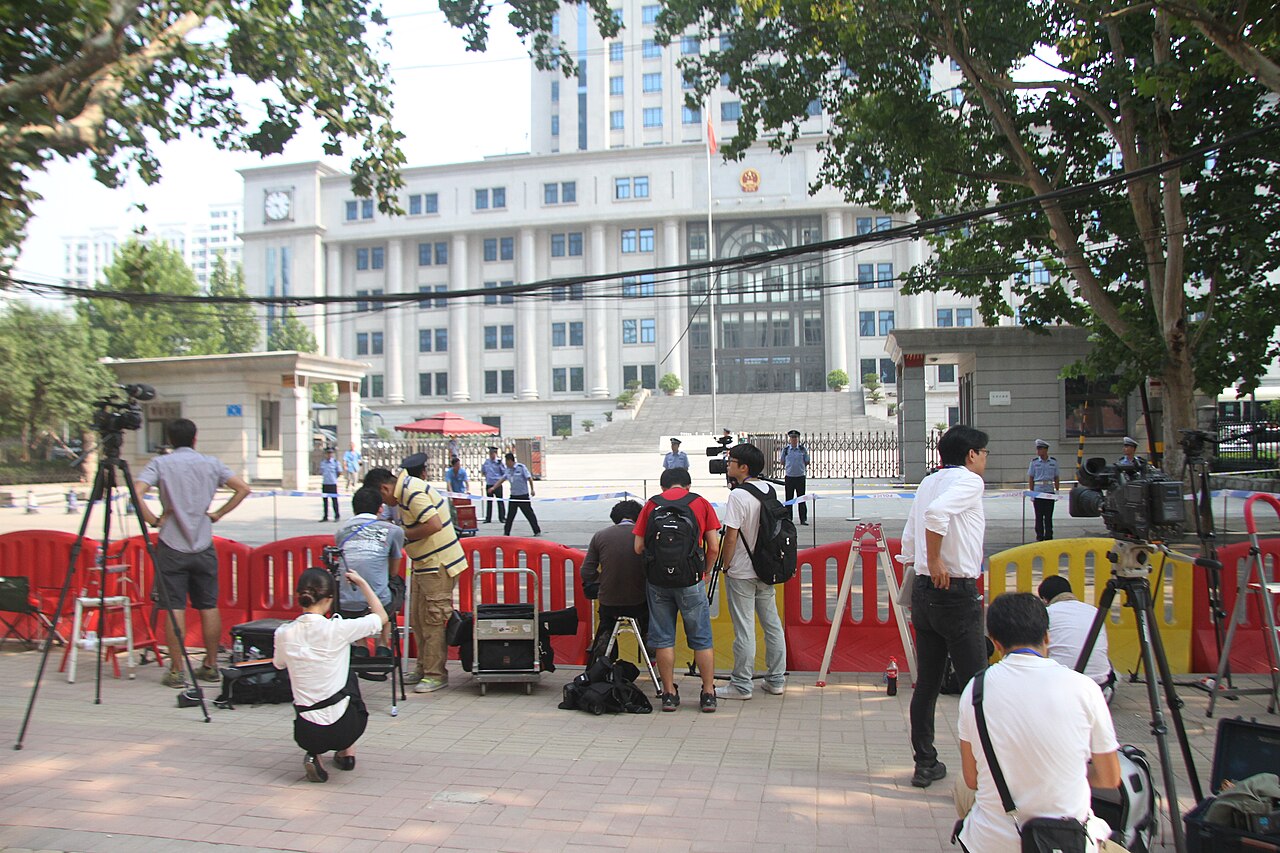
The trajectory that had carried Bo Xilai toward the innermost circle of the CCP was shattered in a single, dramatic episode. His top lieutenant and police chief, Wang Lijun, walked into the American consulate in Chengdu and sought asylum, alleging that he possessed information implicating Bo's wife, Gu Kailai, in the murder of British businessman Neil Heywood, a close confidant of the Bo family. The incident sent shockwaves through the party apparatus. Within days, Bo was stripped of his positions as Politburo member and Chongqing Party Secretary, and he was expelled from the Communist Party. The legal proceedings that followed were swift. In 2013, a court found him guilty on charges of bribery and embezzlement, ordered the confiscation of all his assets, and sentenced him to life imprisonment at Qincheng Prison. The case marked one of the most high-profile anti-corruption prosecutions in the history of the People's Republic, and it effectively ended a political career that had spanned nearly three decades, from a junior researcher in Zhongnanhai to one of the most visible figures in the country's leadership.
Education, Ambition, and the Road Out of Beijing
Bo Xilai's intellectual formation diverged from the engineering-heavy pipeline that fed much of the Chinese leadership. After a five-year imprisonment during the Cultural Revolution, he was admitted to Peking University when the national college entrance examination was reinstated in 1977, and he chose to major in world history. In his second year he entered a master's program in international journalism at the Chinese Academy of Social Sciences, a placement that reports suggest came through backdoor channels despite his not meeting the required exam scores; he completed the degree in 1982. He joined the Communist Party in October 1980. After graduate school he was posted to Zhongnanhai, working in the research offices of the Central Committee Secretariat and General Office. In the early 1980s, however, he requested a transfer out of Beijing. The move was orchestrated by his father for both strategic and personal reasons: politically, Bo was inspired by the grassroots hero of the television drama New Star and wanted field experience to build his credentials; personally, he was mired in a four-year divorce battle with his first wife, Li Danyu, whose public accusations of an affair with Gu Kailai threatened his career. The relocation to Dalian in 1984 set the stage for the provincial and ministerial posts that would define his career.
Gallery
More in Asian Presidents And Prime Ministers 1-20
Spotted an error? Know more?
This is a living reference — every entry is fact-audited, and reader corrections feed straight into our audit queue. Suggest an edit · See this site's audit record