
Bhumibol Adulyadej
King of Thailand from 1946 to 2016, longest-reigning Thai monarch.

via Wikipedia: Bhumibol Adulyadej · see source
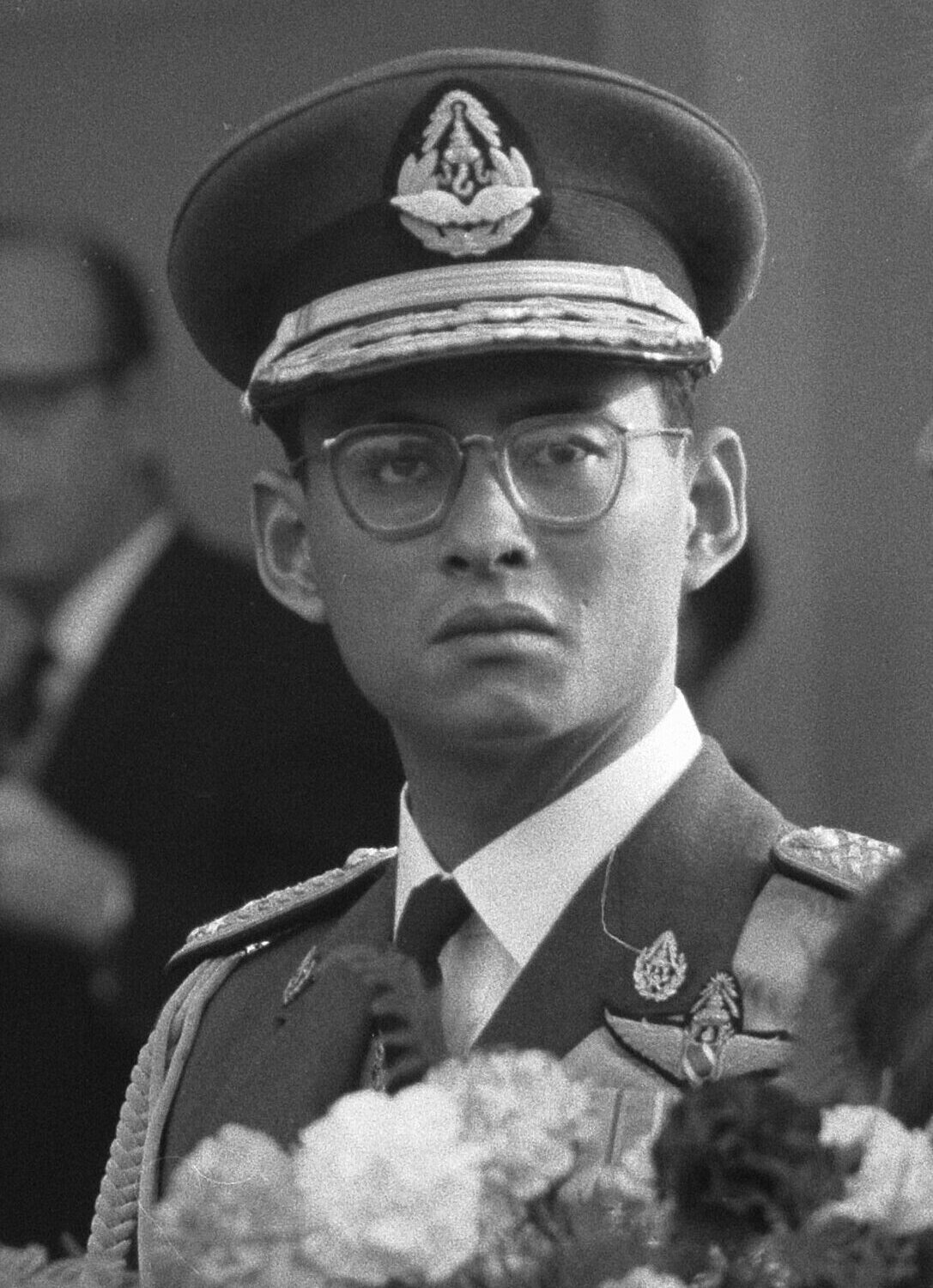
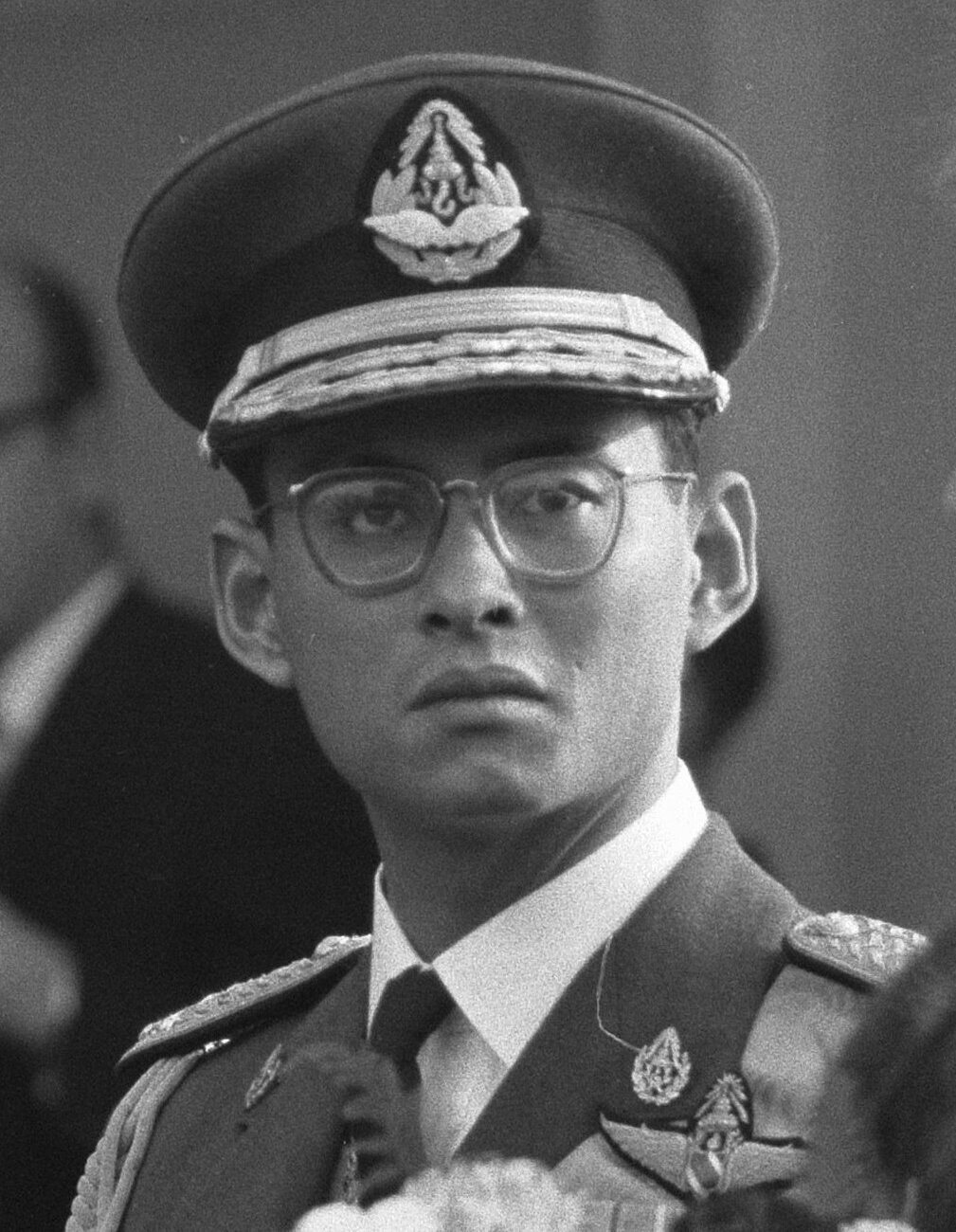
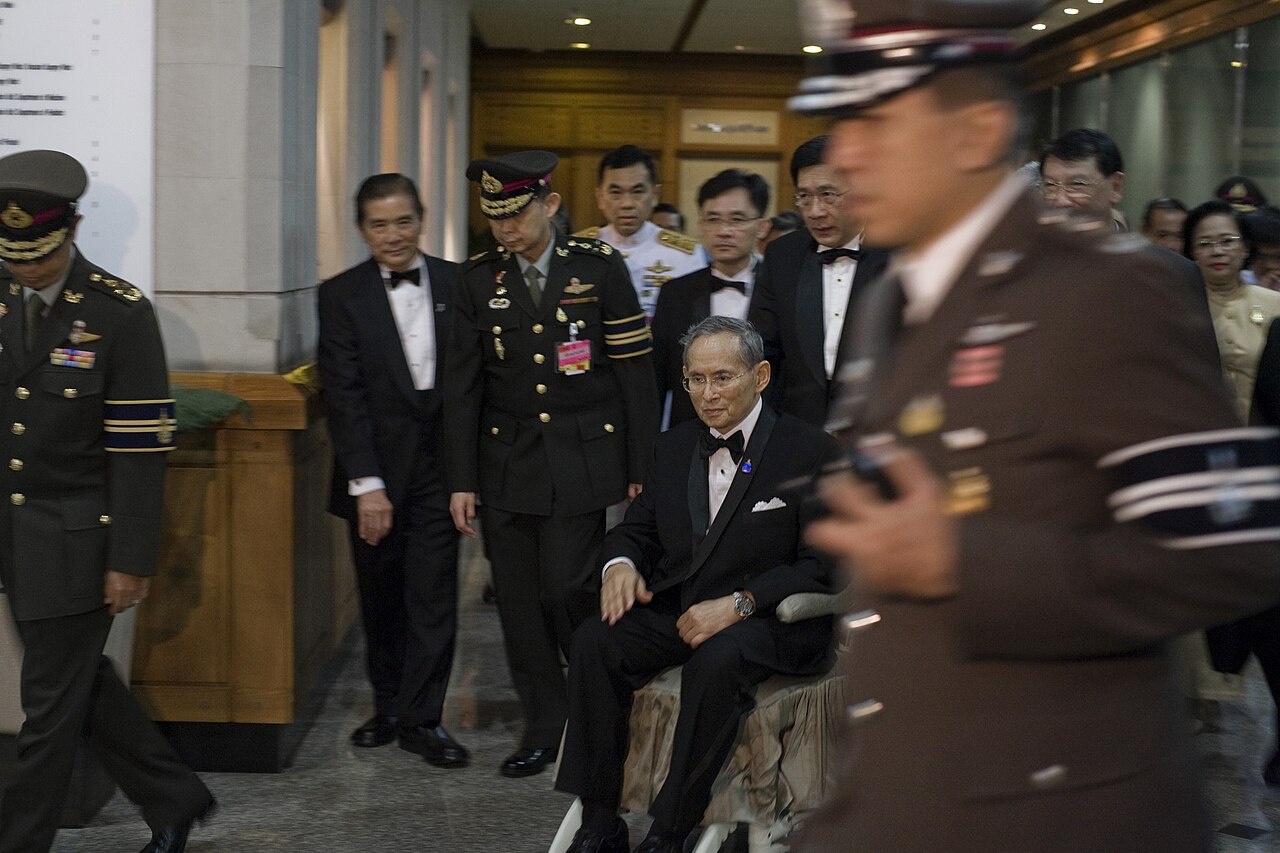
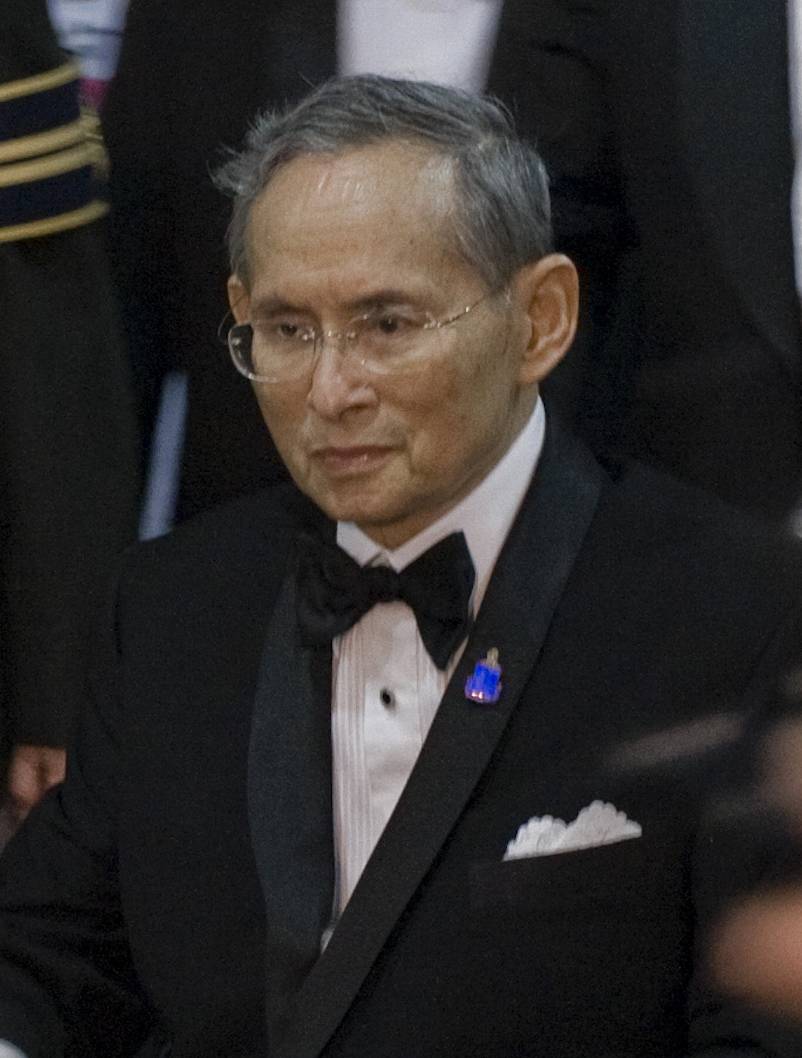
Bhumibol Adulyadej (5 December 1927 – 13 October 2016), titled Rama IX, was King of Thailand from 9 June 1946 until his death in 2016. His reign of 70 years and 126 days is the longest of any Thai monarch, the longest on record of any independent Asian sovereign, and the third-longest of any sovereign state. Born in the United States, Bhumibol spent his early life in Switzerland, growing up in the aftermath of the 1932 Siamese revolution which toppled Thailand's centuries-old absolute monarchy, ruled at the time by his uncle, King Prajadhipok (Rama VII). He ascended to the throne in June 1946 succeeding his brother, King Ananda Mahidol (Rama VIII), who had died under mysterious circumstances.
- born
- 5 December 1927, Cambridge, Massachusetts, United States
- died
- 13 October 2016, Siriraj Hospital, Thailand
- field
- Monarchy
- nationality
- Thai
- known_for
- Longest-reigning Thai monarch; reign of 70 years and 126 days
Verified Timeline
Lore & Background
Bhumibol was born at Cambridge Hospital (now Mount Auburn Hospital) in Cambridge, Massachusetts, United States, on 5 December 1927, during the reign of his paternal uncle, King Rama VII. He was the youngest son of Prince Mahidol Adulyadej, the Prince of Songkla, and his commoner wife Mom Sangwan. His father was enrolled in the public health program at Harvard University, which is why Bhumibol was the only hereditary monarch to be born in the US. His US birth certificate read simply 'Baby Songkla'. The king chose a name of Sanskrit origin, Bhumibol Adulyadej, meaning 'Strength of the Land, Incomparable Power'. Bhumibol came to Thailand in 1928, but his father died of kidney failure in September 1929, when Bhumibol was less than two years old. In 1933 his mother took her family to Switzerland, where he continued his education at the École nouvelle de la Suisse romande in Lausanne. In 1934 Bhumibol was given his first camera, which ignited his lifelong enthusiasm for photography. In 1942, Bhumibol became a jazz enthusiast, and started to play the saxophone. He received the baccalauréat des lettres from the Gymnase Classique Cantonal de Lausanne, and by 1945 had begun studying sciences at the University of Lausanne.
Reader's Guide
Bhumibol ascended the throne following the death by gunshot wound of his brother, King Ananda Mahidol, on 9 June 1946, under circumstances that remain unclear. While an initial government statement stated that Ananda had accidentally shot himself, an investigation committee ruled this was virtually impossible. Three palace aides were eventually convicted of regicide, and were executed by firing squad on 17 February 1955, after their appeals for clemency were rejected by Bhumibol. Bhumibol succeeded his brother, but returned to Switzerland before the end of the 100-day mourning period. He changed his major and enrolled in law and political science to prepare for his duties as head of state. On 4 October 1948, while Bhumibol was driving a Fiat Topolino on the Geneva-Lausanne road, he collided with the rear of a braking truck 10 km outside Lausanne. He injured his back, suffered paralysis in half of his face and incurred cuts on his face that cost him the sight of his right eye. He married Mom Rajawongse Sirikit Kitiyakara on 28 April 1950, just a week before his coronation. Bhumibol was crowned King of Thailand on 5 May 1950 in the Phaisan Thaksin Throne Hall in the Grand Palace in Bangkok. During the ceremony, he pledged that he would 'reign with righteousness for the benefit and happiness of the Siamese people'.
Did You Know?
- Bhumibol was the only hereditary monarch to be born in the United States; his birth certificate read simply 'Baby Songkla'.
- He lost the sight of his right eye after a car accident on the Geneva-Lausanne road in 1948.
- Forbes estimated his fortune at US$30 billion in 2010 and 2014, and he topped the magazine's list of the 'world's richest royals' from 2008 to 2013.
- Three palace aides were executed by firing squad on 17 February 1955 for the death of King Ananda Mahidol, after Bhumibol rejected their appeals for clemency.
- Bhumibol's reign of 70 years and 126 days is the longest of any Thai monarch and the third-longest of any sovereign state.
Early Life and Formative Years
Bhumibol Adulyadej entered the world on 5 December 1927 at Cambridge Hospital in Massachusetts, making him the only hereditary monarch in recorded history to be born on American soil. His mother subsequently relocated the family to Switzerland, where he attended the École nouvelle de la Suisse romande in Lausanne. A camera gifted to him in 1934 sparked a photographic passion that would endure for decades, and by 1942 he had fallen in love with jazz, picking up the saxophone. He earned his baccalauréat des lettres from the Gymnase Classique Cantonal de Lausanne and, by 1945, had begun university-level science studies just as the Second World War drew to a close and the family could finally return to Thailand.
Accession and the Shadow of Rama VIII
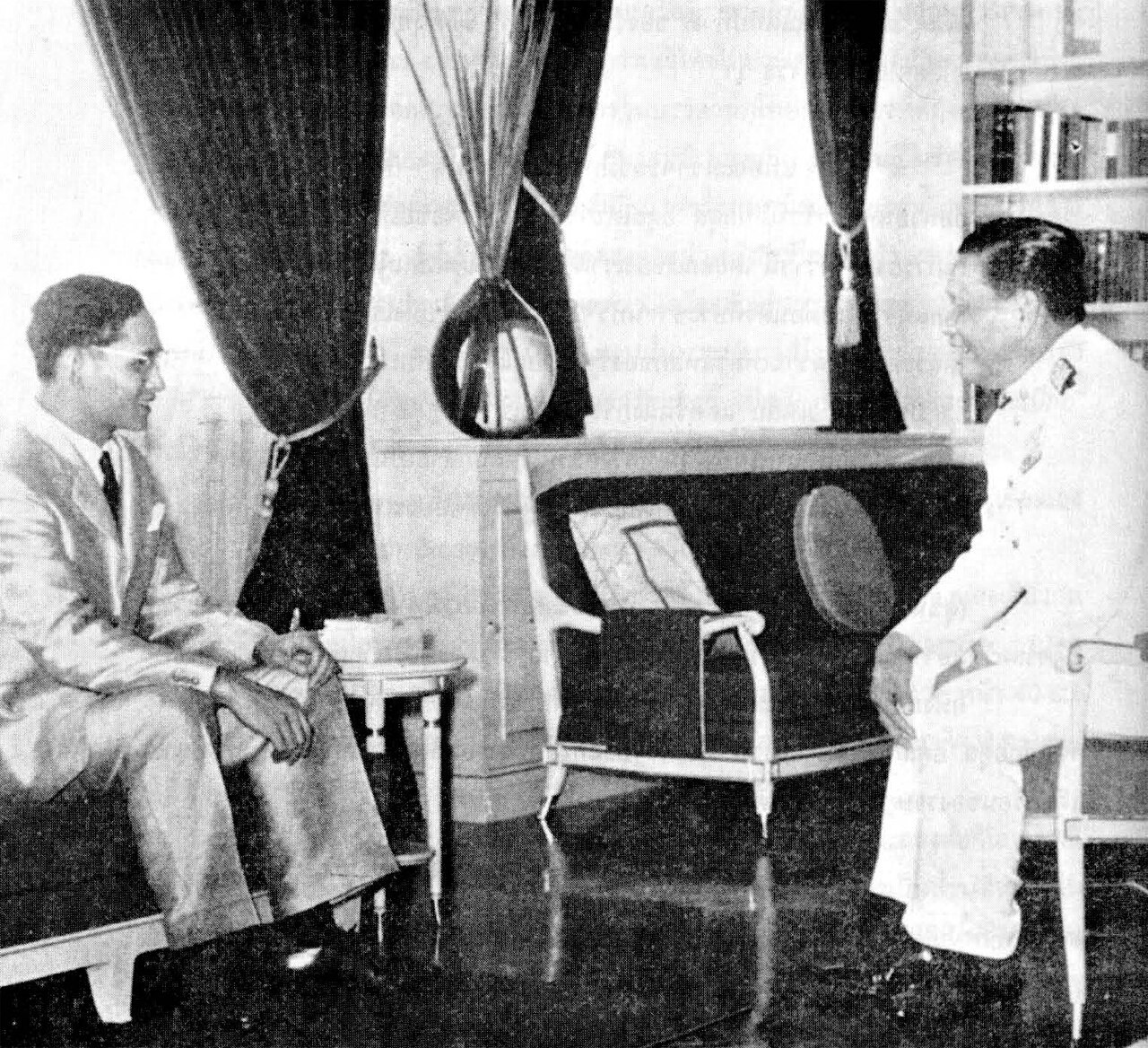
The death of King Ananda Mahidol on 9 June 1946 cast a long shadow over Bhumibol's ascension. His elder brother was found dead from a gunshot wound, and while the government initially attributed the injury to an accident, a subsequent investigation committee concluded that a self-inflicted shot was virtually impossible. Three palace aides—Chit Singhaseni, But Patthamasarin, and Chaliao Pathumrot—were ultimately convicted of regicide and executed by firing squad on 17 February 1955, after Bhumibol himself rejected their appeals for clemency. The circumstances surrounding the killing were never fully resolved to public satisfaction. In the immediate aftermath, the young king returned to Switzerland before the traditional hundred-day mourning period had even concluded. There he pivoted his academic focus from the sciences toward law and political science, preparing himself for the demands of head of state. His uncle, Prince Rangsit of Chainat, served as regent, acknowledging a November 1947 military coup and signing the 1949 constitution, which restored to the throne many powers stripped away by the 1932 revolution.
Economic Ascendancy and Political Turbulence
Under Bhumibol's reign, Thailand transformed into a major US ally and regional economic power. Between 1985 and 1994, the World Bank ranked Thailand as the fastest-growing economy on the planet, and by the 1990s many international journalists were forecasting that the nation would join the ranks of the 'Asian Tigers.' This era of rapid expansion gave rise to a substantial urban middle class and broadened mass participation in electoral politics. Yet the momentum shattered with the 1997 Asian financial crisis, which plunged the country into a prolonged period of political instability stretching through the 2000s and 2010s. Bhumibol's seven-decade reign was marked by a recurring pattern: stretches of gradual democratization repeatedly interrupted by military coups. The final such intervention, in 2014, brought an end to two decades of civilian governance and reasserted the armed forces' dominant role in Thai political life, a development that occurred just two years before the king's death.
Reverence, Wealth, and a Nation's Farewell
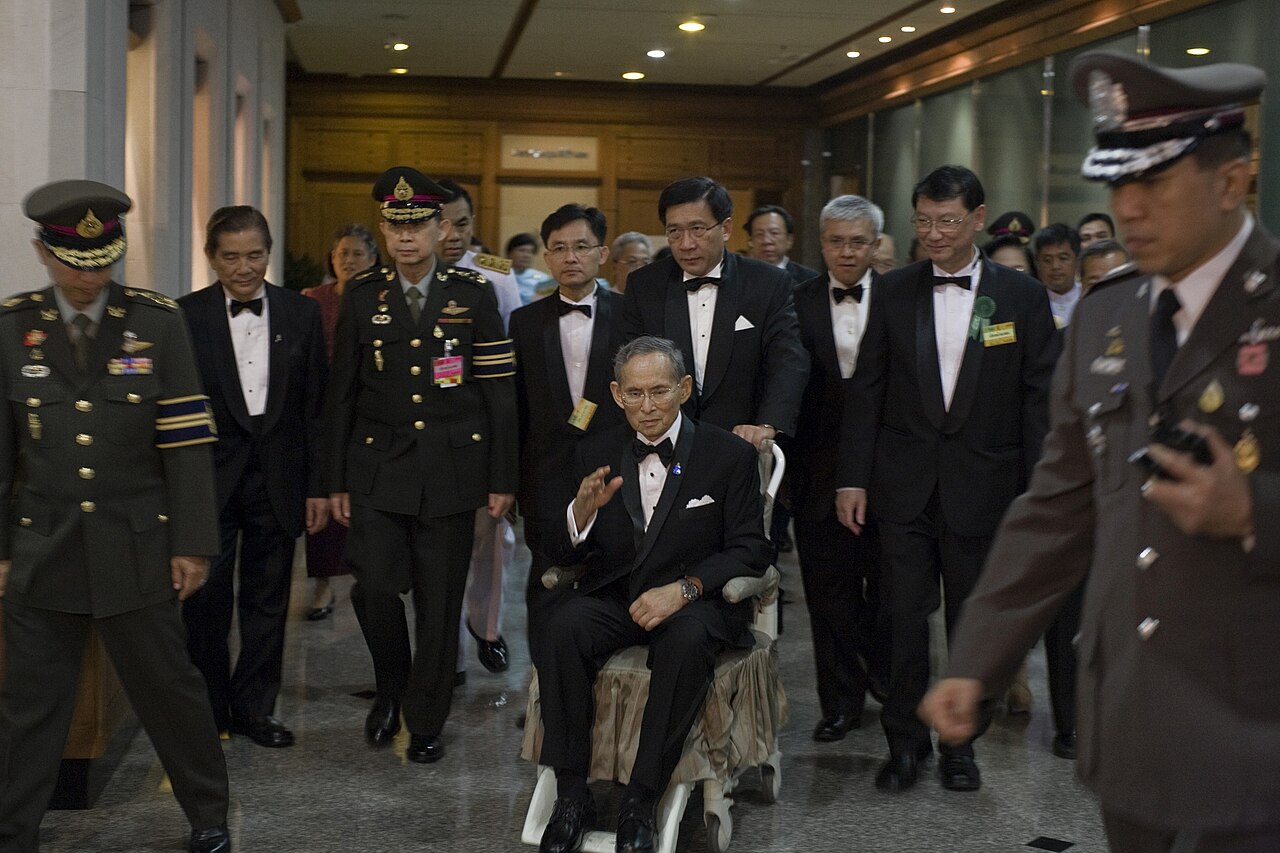
Within Thailand, Bhumibol occupied a position of near-sacred reverence; many citizens regarded him as something close to divine. This veneration carried real consequences for dissent: political activists and ordinary citizens who voiced criticism of the king or the monarchical institution frequently found themselves exiled or imprisoned. His personal fortune, as estimated by Forbes, reached approximately thirty billion US dollars by 2010, a figure anchored largely in assets administered by the Crown Property Bureau—a unique entity that belonged to neither the private sector nor the state, but to the crown as an institution. He topped Forbes's list of the world's wealthiest royals from 2008 through 2013, and his wealth was again pegged at thirty billion dollars in 2014. After a period of declining health that saw him hospitalized on multiple occasions, Bhumibol passed away on 13 October 2016 at Siriraj Hospital. His son Vajiralongkorn succeeded him as King Rama X. The royal cremation ceremony took place in 2017 at the crematorium on Sanam Luang, marking the formal close of a reign that had spanned seventy years and one hundred twenty-six days.
Gallery
More in Asian Presidents And Prime Ministers 1-20
Spotted an error? Know more?
This is a living reference — every entry is fact-audited, and reader corrections feed straight into our audit queue. Suggest an edit · See this site's audit record