
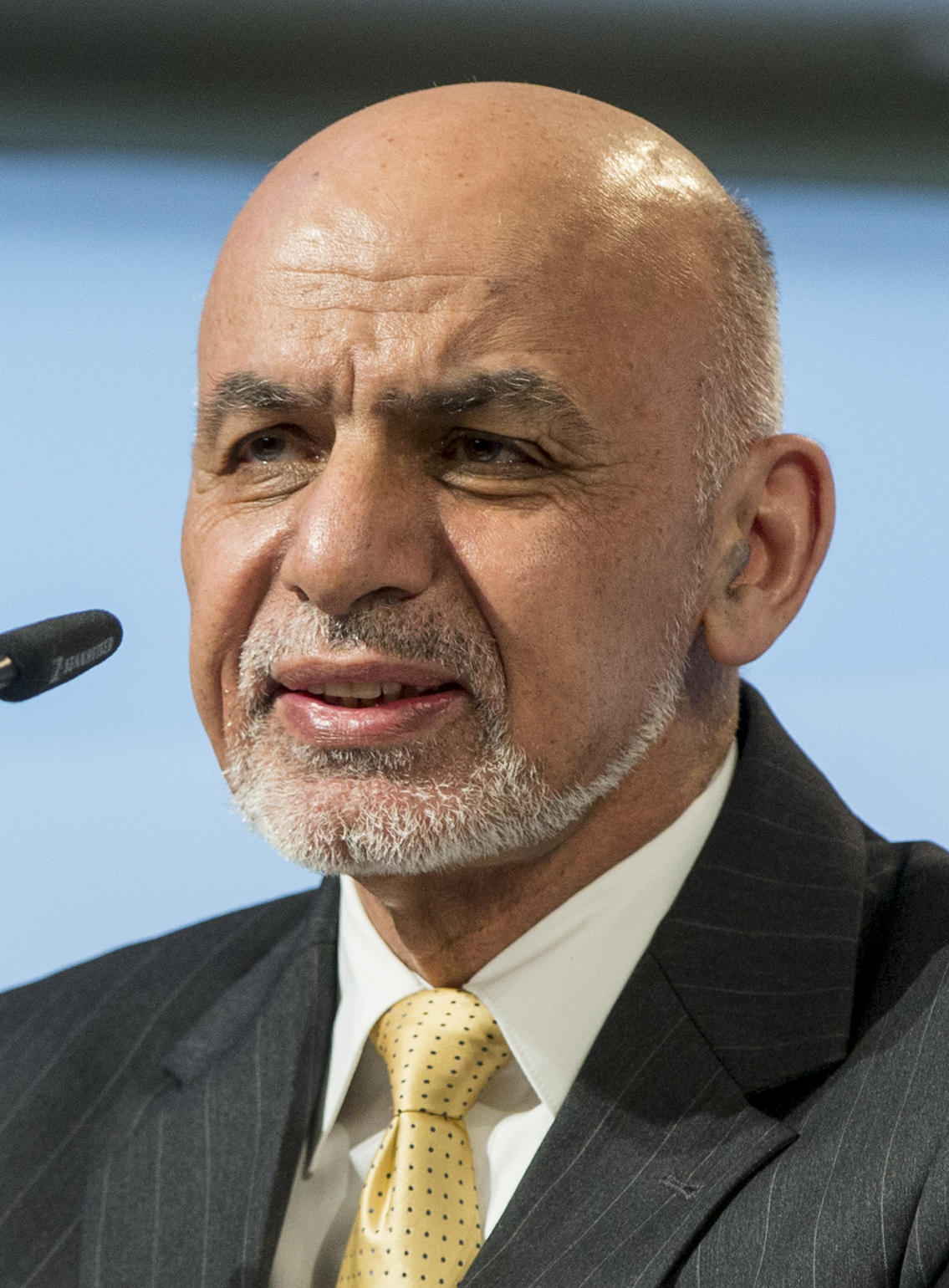
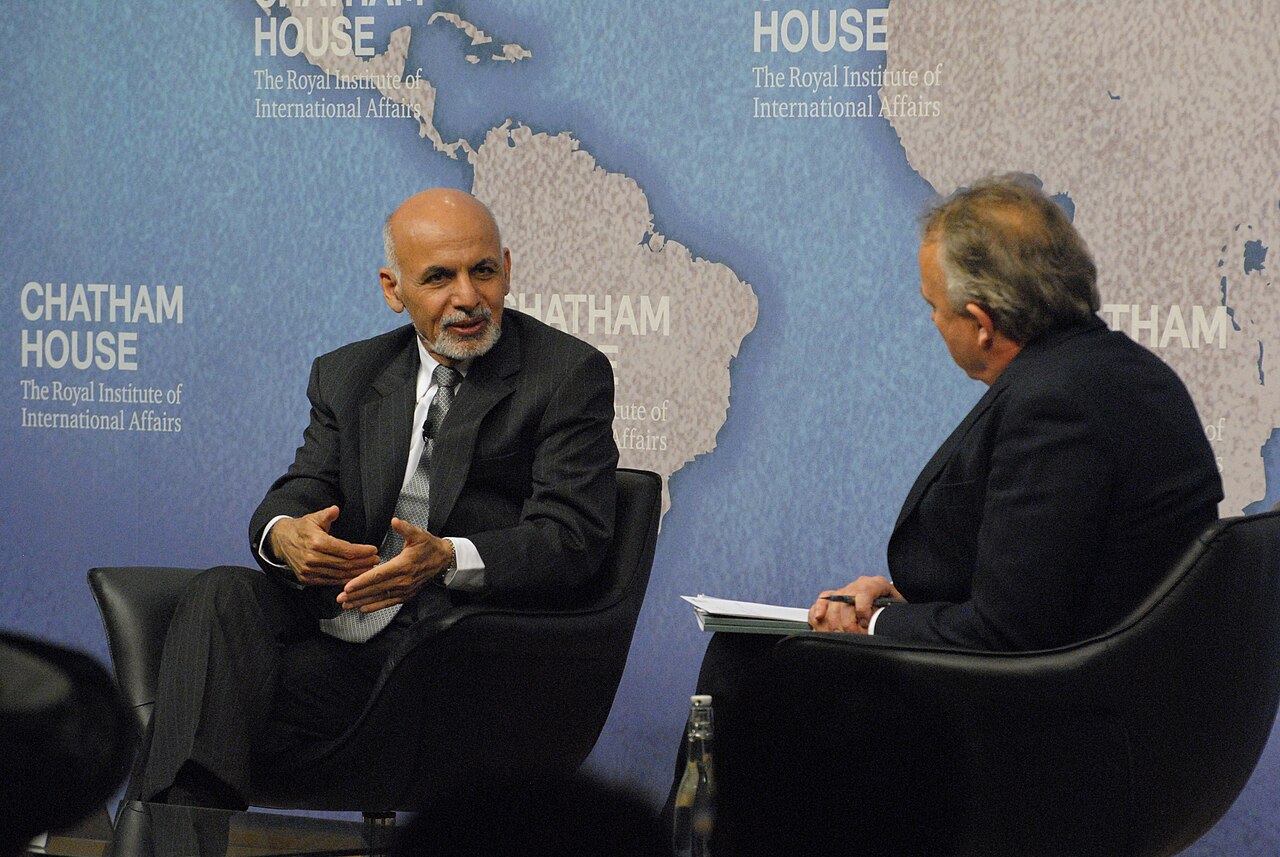
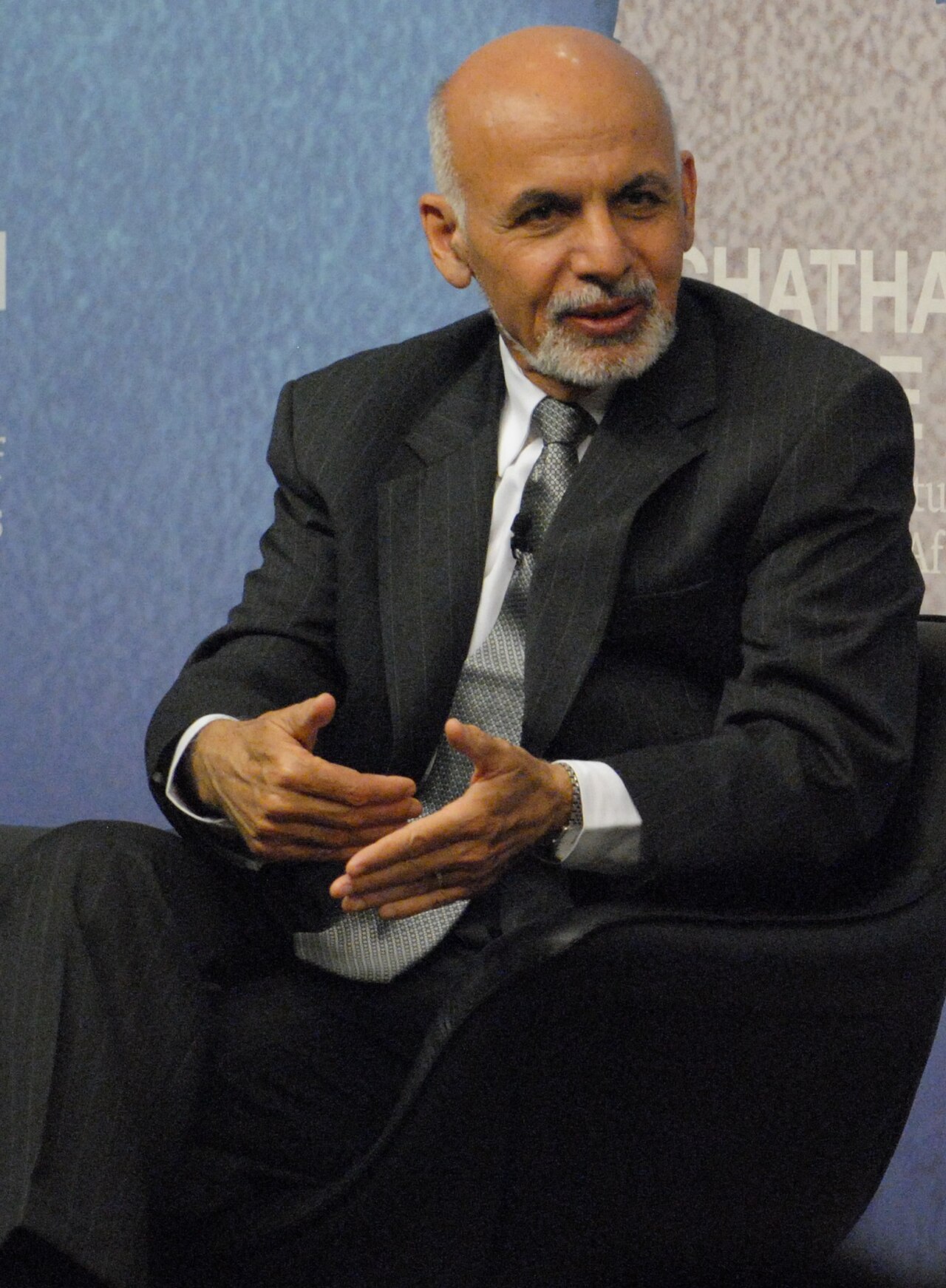
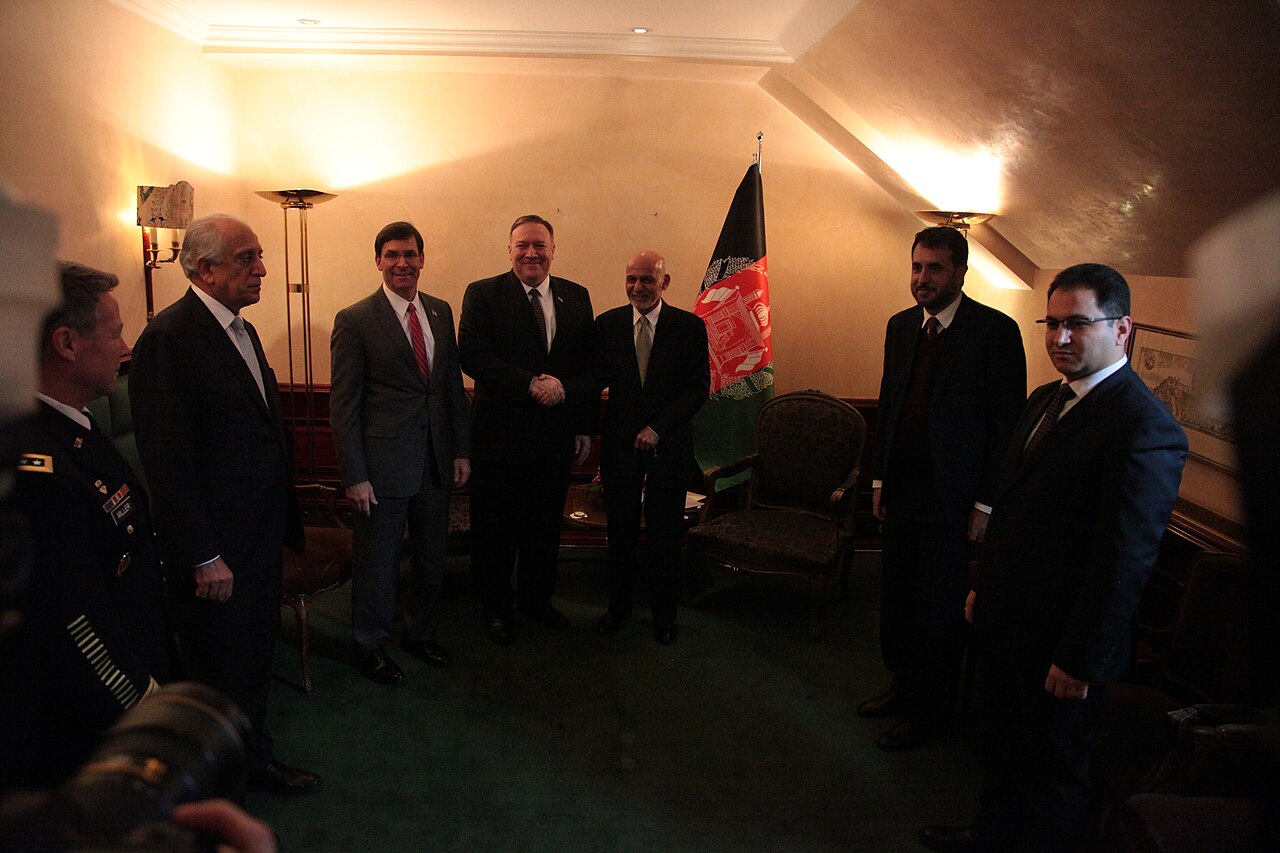
Ashraf Ghani
14th and last president of Afghanistan, fled Afghanistan on 15 August 2021 and arrived in the UAE on 18 August 2021.

via Wikipedia: Ashraf Ghani · see source
Mohammad Ashraf Ghani Ahmadzai (born 19 May 1949) is an Afghan former politician and economist who served as the 14th and last president of Afghanistan from 2014 until his government was overthrown by the Taliban in 2021. Born in Logar Province in the Kingdom of Afghanistan, Ghani earned a PhD in cultural anthropology from Columbia University in 1983 and later worked at the World Bank. He returned to Afghanistan in December 2001 after the collapse of the Taliban government, serving as finance minister under Hamid Karzai and later as chancellor of Kabul University. Ghani became president after winning the controversial 2014 Afghan presidential election, which was so disputed that negotiations between him and rival Abdullah Abdullah were mediated by the United States.
- born
- 19 May 1949, Logar Province, Kingdom of Afghanistan
- field
- Politics, Economics, Anthropology
- nationality
- Afghan
- known_for
- Last president of Afghanistan (2014–2021); controversial 2014 election; fleeing
Verified Timeline
Lore & Background
Ghani was born on 19 May 1949 in Logar Province to Shah Pesand, a clerk worker, and Kawbaba Lodin, who hailed from Kandahar. He belongs to the Ahmadzai Pashtun tribe. For the 1966–1967 school year, Ghani studied as a foreign exchange student at Lake Oswego High School in Lake Oswego, Oregon under the name Ashraf Ahmad, sponsored by the American Field Service. He earned a BA in political studies from the American University of Beirut in 1973, where he met his future wife Rula. He received a Master's in cultural anthropology from Columbia University in 1977 and a PhD in 1983, with a thesis titled 'Production and domination: Afghanistan, 1747–1901'. After teaching at Johns Hopkins University as an associate professor from 1983 to 1991, he worked at the World Bank from 1991 to 2001, spending five years working in China, India, and Russia. In December 2001, Ghani returned to Afghanistan after 24 years of absence. He joined the United Nations as Special Adviser to Ambassador Lakhdar Brahimi, working on the Bonn Agreement. On 2 June 2002, he became finance minister under President Karzai, carrying out extensive reforms including issuing a new currency, computerizing treasury operations, and instituting a single treasury account. From 22 December 2004 to 21 December 2008, he served as Chancellor of Kabul University. In January 2005, he co-founded the Institute for State Effectiveness with Clare Lockhart. He ran in the 2009 Afghan presidential election, finishing fourth with roughly 3% of the votes. From 2010 to 1 October 2013, he served as chairman of the Afghan Transition Coordination Commission. Ghani became president after winning the controversial 2014 election, with a power-sharing agreement that made Abdullah Abdullah chief executive, splitting power 50-50. In 2020, Ghani was re-elected after a delayed result from the 2019 presidential elections. On 15 August 2021, his term ended abruptly as the Taliban took over Kabul. Ghani and staff fled Afghanistan that day, arriving in the United Arab Emirates on 18 August 2021. He later stated he left in order to avoid further violence, and that staying and dying would have accomplished nothing but adding another tragedy to Afghanistan's history.
Reader's Guide
Ashraf Ghani's significance lies in his role as the last president of Afghanistan before the Taliban's return to power in 2021. An economist and anthropologist by training, he represented a technocratic approach to governance, aiming to transform Afghanistan into a technocratic state, winning him support from youth and urban demographics. His cabinets were relatively young and well-educated. He made efforts to make peace with Taliban insurgents and improving relations with Pakistan. However, many of his promises, such as fighting corruption and turning the country into a trade hub between Central and South Asia, were left unfulfilled. His position was weakened by political rivalries, his attempt to lessen the power of ex-warlords, and an uneasy relationship with the United States regarding the war. He was criticized for being aloof and short-tempered, including being in denial during the Taliban's offensive in 2021. His abrupt departure on 15 August 2021 drew condemnation across various spectrums for abandoning Afghanistan to the Taliban, and he has been accused of corruption during his administration. In particular, Ghani's softness on the Taliban was criticized by many. His legacy remains deeply contested: some view him as a reformer who faced insurmountable challenges, while others criticize his leadership style and the circumstances of his exit.
Did You Know?
- Ghani studied as a foreign exchange student at Lake Oswego High School in Oregon for the 1966–1967 school year under the name Ashraf Ahmad.
- He earned his PhD in cultural anthropology from Columbia University in 1983 with a thesis titled 'Production and domination: Afghanistan, 1747–1901'.
- Ghani co-founded the Institute for State Effectiveness with Clare Lockhart in January 2005.
- In the 2009 Afghan presidential election, Ghani finished fourth out of 38 candidates, securing roughly 3% of the votes.
- Ghani fled Afghanistan on 15 August 2021 as the Taliban took over Kabul, taking refuge in the United Arab Emirates.
Gallery
More in Asian Presidents And Prime Ministers 1-20
Spotted an error? Know more?
This is a living reference — every entry is fact-audited, and reader corrections feed straight into our audit queue. Suggest an edit · See this site's audit record