
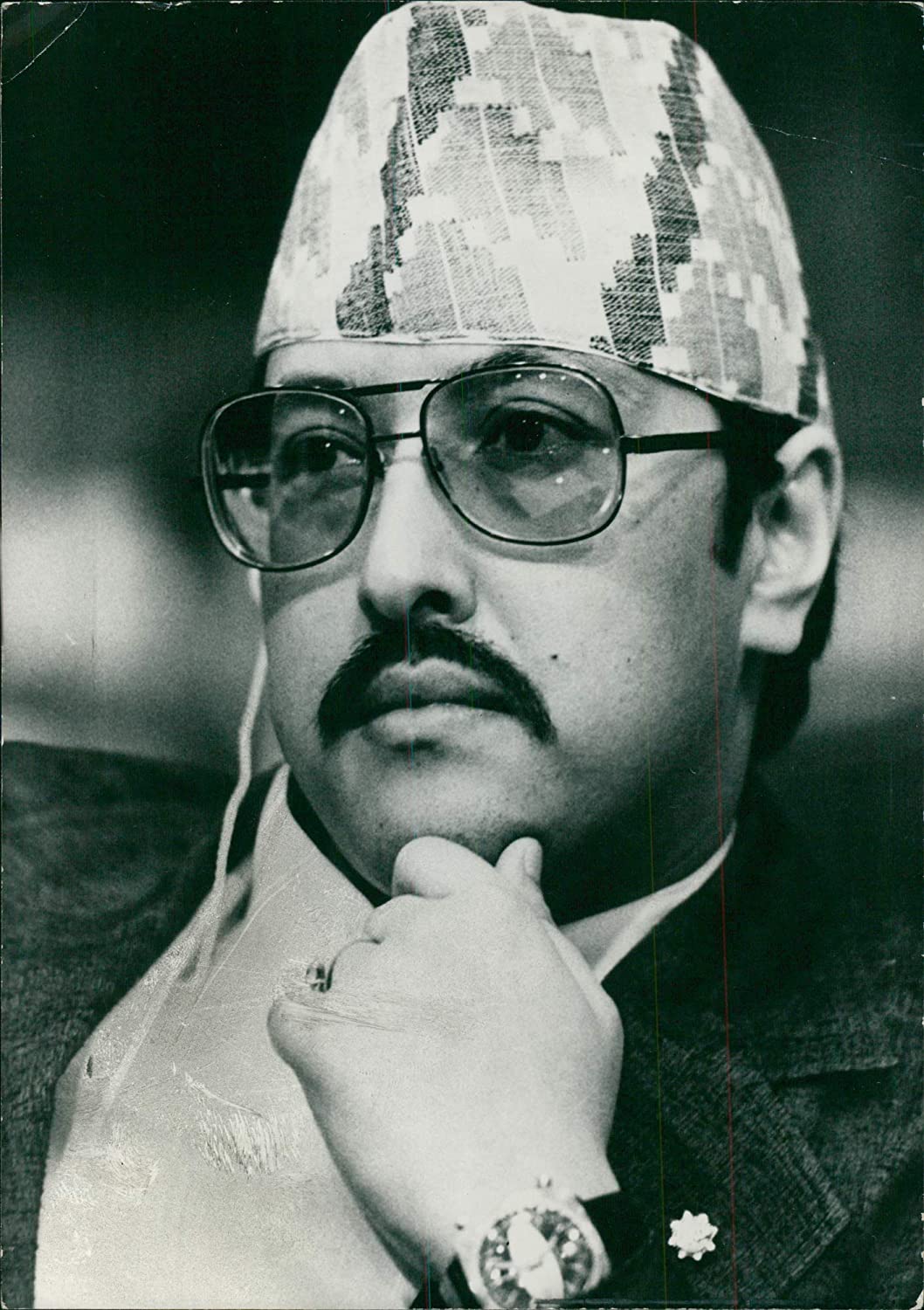
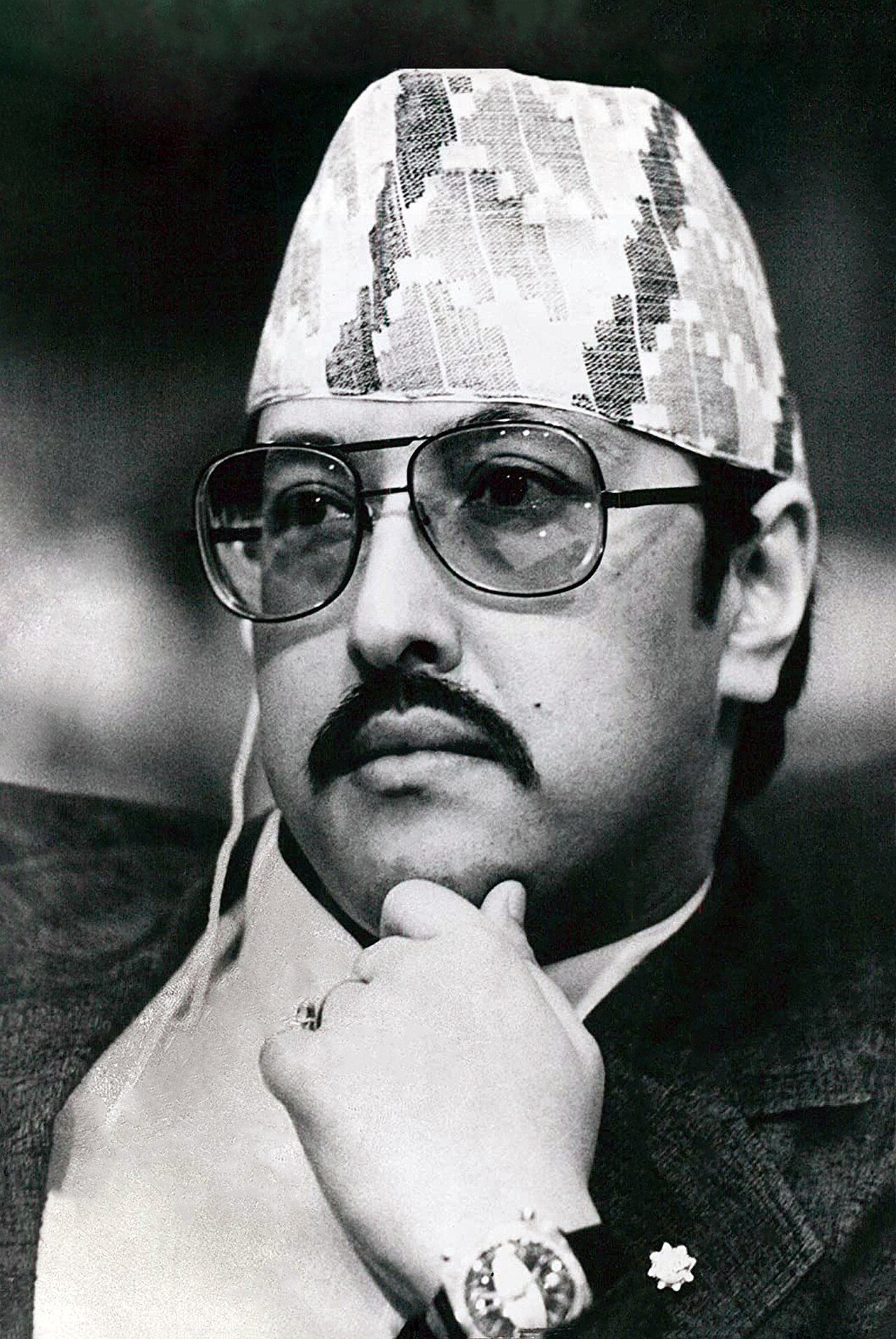
Birendra of Nepal

CAPTAIN MEDUSA · CC BY-SA 4.0
The Nepalese Civil War began in 1996 during his reign.
- field
- Monarchy
- nationality
- Nepali
Lore & Background
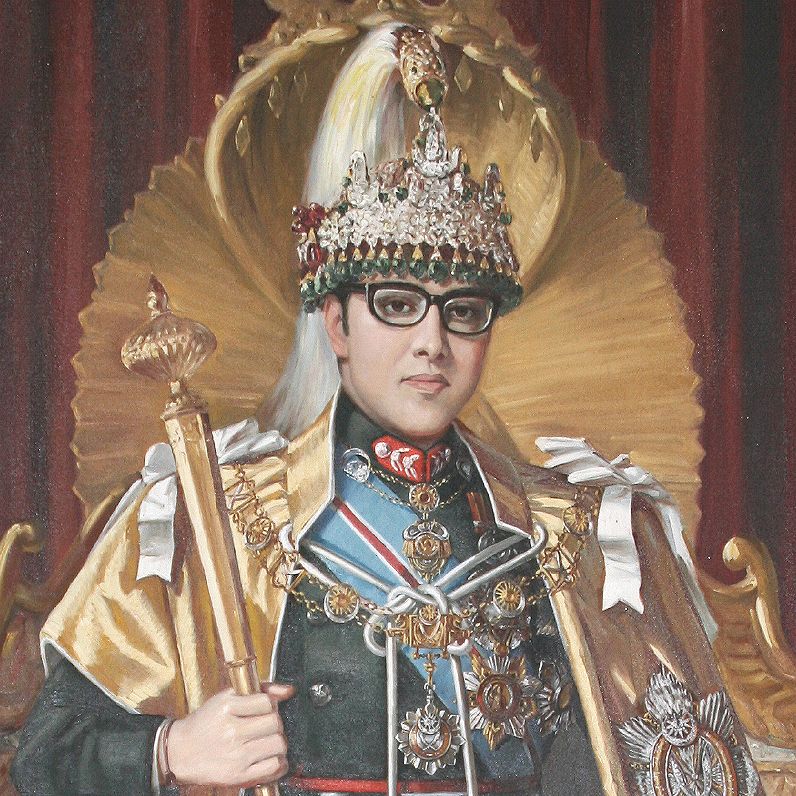
Birendra was born at the Narayanhiti Royal Palace in Kathmandu as the second son of Crown Prince Mahendra and Crown Princess Indra. He was made crown prince because his father's first son, Rabindra, was considered illegitimate. He studied at St Joseph's School in Darjeeling, Eton College in the UK, the University of Tokyo, and Harvard University. During his reign, he proposed Nepal as a zone of peace at the UN, helped establish the SAARC Secretariat in Kathmandu, and disarmed Khampas rebellions peacefully. Dipendra shot himself and was proclaimed king while comatose; he died a few days later, and Birendra's brother Gyanendra became king.
Reader's Guide
Birendra's reign marked a pivotal transition in Nepal from absolute monarchy to constitutional democracy, though he could not prevent the outbreak of the Nepalese Civil War in 1996. He is also noted for diplomatic efforts, including proposing Nepal as a zone of peace, expanding diplomatic relations from 49 to 96 countries, and supporting the formation of SAARC. His environmental legacy includes establishing Chitwan National Park and the Royal Bardiya Wildlife Reserve.
Did You Know?
- Birendra was made crown prince because his father's first son, Rabindra, was considered illegitimate due to being born to a Gurung woman when Mahendra was unmarried.
- His wedding to Aishwarya Rajya Lakshmi Devi cost $9.5 million and was billed as one of the most lavish Hindu nuptial ceremonies in history.
Constitutional Architecture of Executive Power
The Prime Minister of Nepal occupies the third position in the national order of precedence, sitting behind the president and vice president, yet wields the most substantive executive authority in the Federal Democratic Republic. While the president serves as the symbolic head of state representing national unity, it is the prime minister and the Council of Ministers who actually govern. Under Article 76 of the Constitution, the president is obligated to appoint as prime minister the leader of whichever parliamentary party holds a majority in the House of Representatives. When no single party commands that majority, the president selects a member capable of securing backing from at least two parties. Should even that prove impossible, the leader of the largest party takes the oath and must win a confidence vote within thirty days. The prime minister must be a sitting member of the lower house, and the entire Council of Ministers bears collective responsibility before the Federal Parliament. The official residence sits at Baluwatar in Kathmandu, while day-to-day governance flows from the Prime Minister's Office at Singha Durbar.
From Aristocratic Councils to Hereditary Rule
Before the modern office existed, Nepalese governance passed through several distinct administrative forms. In the early Shah dynasty, executive leadership was shared among a council of four Chautariyas, four Kajis, and additional officers drawn from the Pande, Basnyat, and Thapa aristocratic families. These Bharadars, predominantly Chhetri, Brahmin, and Thakuri by caste, dominated civil administration in the Gorkha Kingdom. The Rana dynasty then transformed the premiership into a hereditary office, with holders additionally styled Maharaja of Lamjung and Kaski, Supreme Commander-in-Chief, and Grand Master of Royal orders.
The Long Road to Parliamentary Democracy
Nepal's journey toward genuine parliamentary rule was punctuated by repeated interruptions. P. P. Sharma Oli became the first prime minister of the new republic.
The Social Fabric of Nepalese Leadership
The demographic profile of Nepal's heads of government reveals deep historical and social currents. This group included all eleven hereditary prime ministers of the Rana dynasty plus nine others from prominent aristocratic lineages. The remaining four pre-democratic officeholders were more diverse: two Thakuri of royal lineage (Chautariya Pushkar Shah and Fateh Jung Shah), one Khas Brahmin (Ranga Nath Poudyal, whose father and grandfather were prominent courtiers), and one Magar (Sarbajit Rana Magar). Their social backgrounds span fourteen Khas Brahmins, four Khas Chhetris, three Khas Thakuris, two Newars, one Sanyasi/Dasnami, and one Madheshi, reflecting a broader cross-section of Nepalese society than the earlier aristocratic era.
Gallery
More in Asian Presidents And Prime Ministers 1-20
Spotted an error? Know more?
This is a living reference — every entry is fact-audited, and reader corrections feed straight into our audit queue. Suggest an edit · See this site's audit record